BJJ Physiotherapy Melbourne
Stop guessing what's safe to train. Get a BJJ-specific rehab plan with clear criteria for each step back to rolling.
Why BJJ rehab has to match the sport
Pain settling and being ready to roll are two different milestones. Your knee can feel fine walking around and still fold the first time someone stacks you in a guard pass.
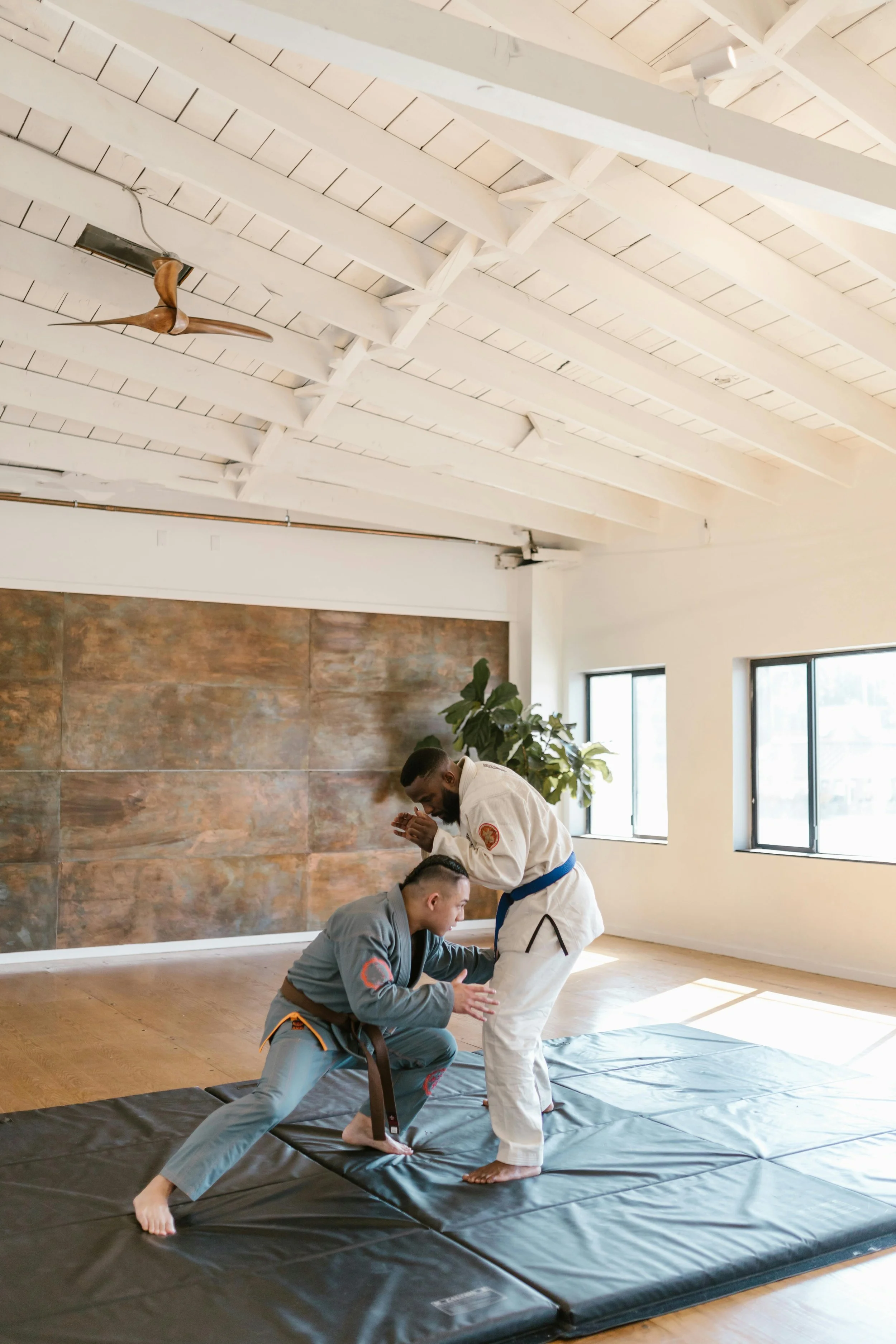
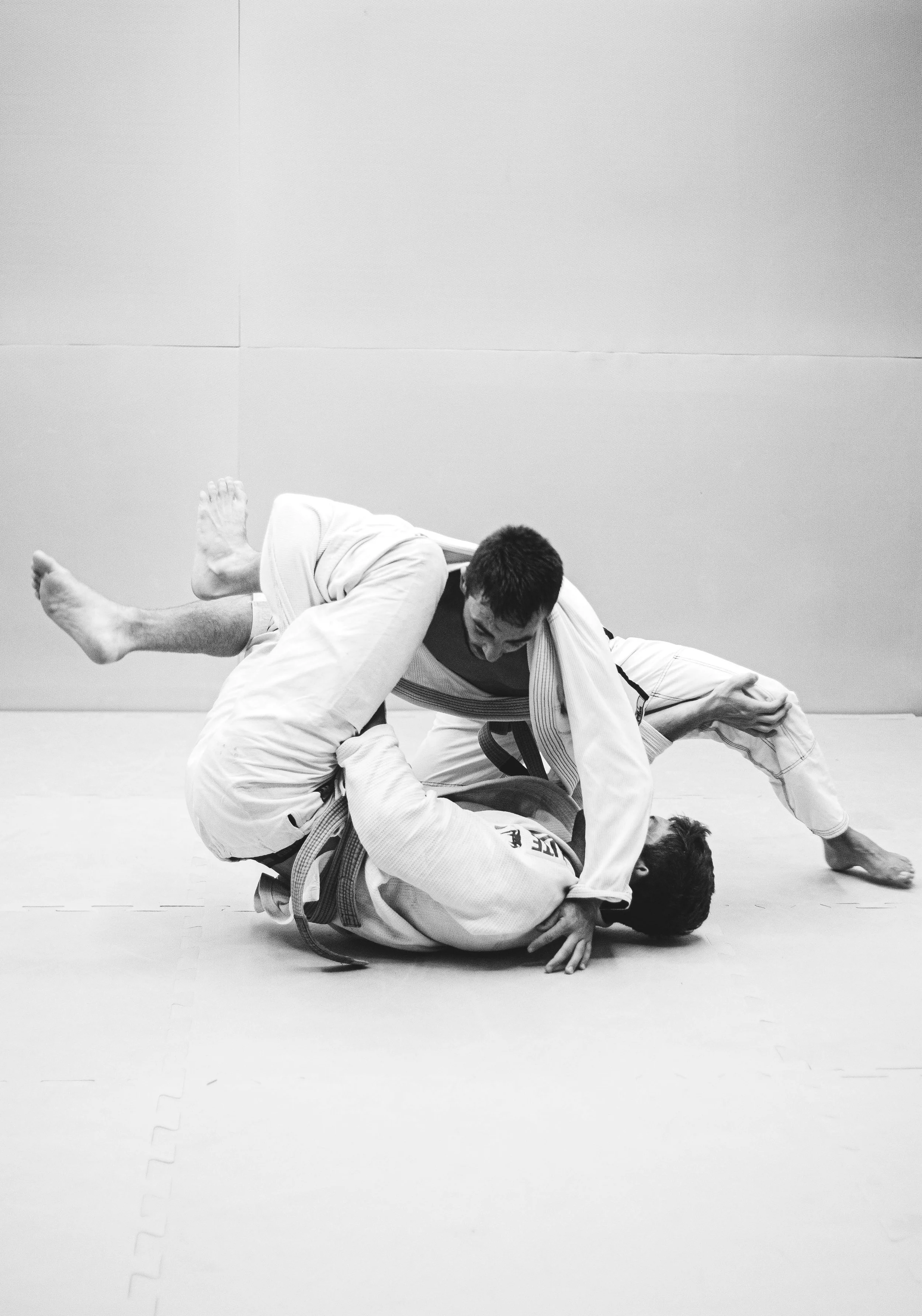
BJJ loads the body in ways nothing else does. Guard retention, scrambles, takedown defence, and submission attempts put repeated, awkward force through your knees, shoulders, neck, and fingers. A plan that doesn't account for those positions can clear you for daily life while leaving you exposed on the mats.
That's how re-injuries happen. The pain is gone, but the capacity to take guard, scramble, and defend submissions at full intensity hasn't been rebuilt yet.
Common BJJ injuries we treat
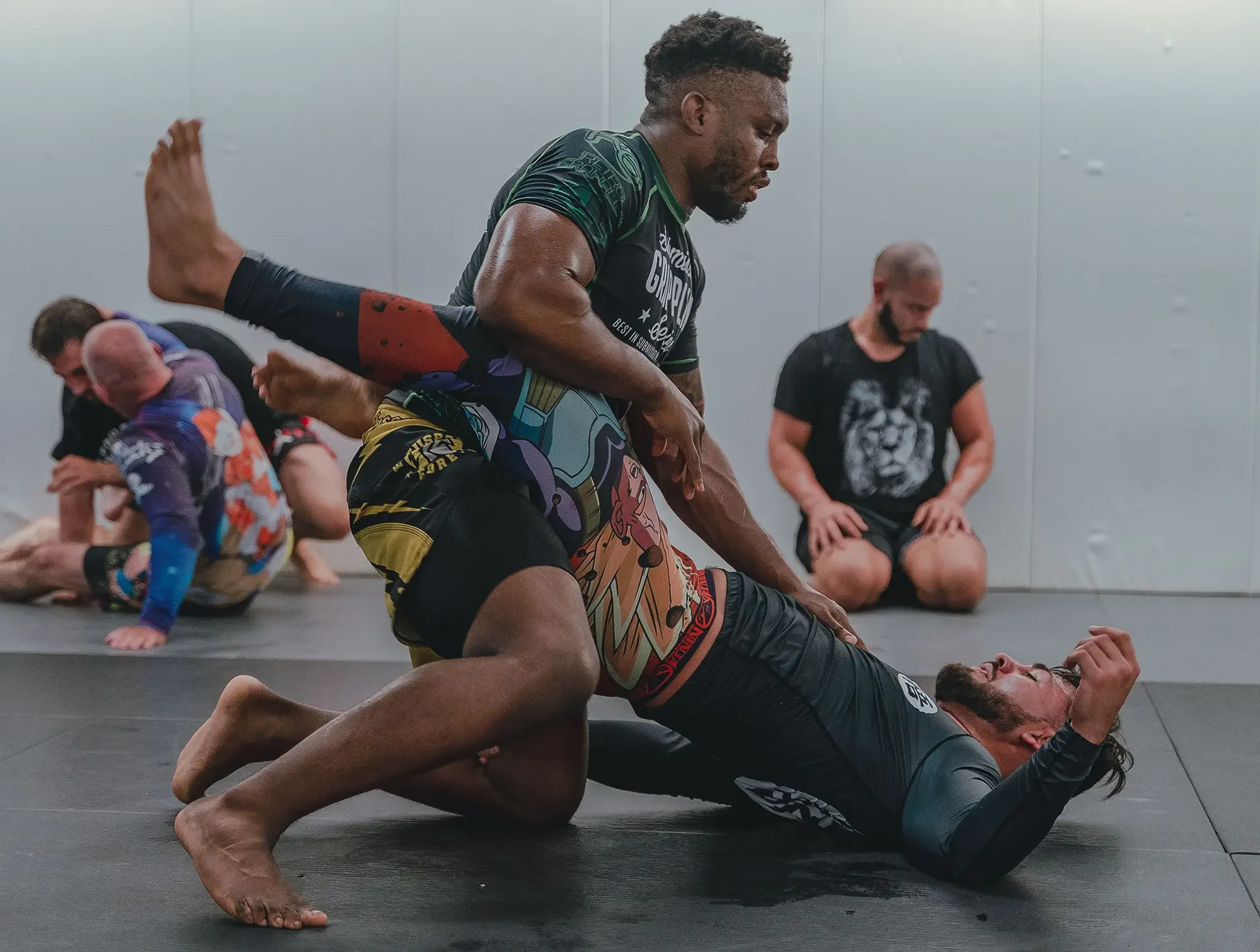
Grappling loads the joints in positions you only get from rolling, guard retention, scrambles and submission defence. These are the injuries that come up most in BJJ.
Knee
ACL, MCL and meniscus tears from takedowns and trapped legs.

Shoulder
Dislocations and labral tears from kimuras and posting out.

Neck
Strains and joint irritation from guillotines, cranks and stacking.
Elbow
Hyperextension and ligament strain from armbars and arm locks.
Finger & Wrist
Ligament sprains and tendon strain from gripping and wrist control.

Rib
Strains and cartilage irritation from guard passing and stacking.
Hip
Flexor and groin strains from guard retention and scrambles.
Ankle
Sprains and joint strain from heel hooks and ankle locks.

Concussion
Head contact from slams, hard scrambles and accidental clashes.
Your Rehab Roadmap
Rehab Built Around BJJ
Every plan runs through the same four phases. We start by understanding your injury against the demands of rolling, then work back to full training in stages you can measure.
"An injured shoulder doesn't have to shut down your whole game. The goal is to keep you drilling and moving in the positions that aren't affected while we rebuild the ones that are."Tom Yeung, APA Physiotherapist
Assess
Your injury is assessed against the real demands of rolling: guard retention, scrambles, takedown defence, and submission positions. You leave with a written plan and clear criteria for each stage.
Rebuild
We map what you can still train safely, from drilling to conditioning to positional work, so you keep your fitness, timing, and feel for the game while the injury settles.
Return
You come back through rolling in stages: drilling, then flow rolling, then positional sparring, then full intensity. Each step is cleared by what you can handle, not by the calendar.
Perform
We build the strength and positional durability that grappling asks of you, working on the loads and positions that exposed the injury in the first place.
Who this is for
This is for the BJJ athlete who trains 3-5 times a week, who has a competition on the horizon, and who can't afford to go dark for 6 months waiting for their knee or shoulder to "sort itself out." Whether you're a hobbyist who loves the mats or a competitor preparing for your next tournament, we build your plan around your actual goals.
Frequently Asked Questions
-
BJJ physiotherapy looks at more than the pain itself. It assesses the specific movement demands of grappling and builds a return-to-rolling plan around them. That means looking at how your injury responds to guard retention, scrambles, takedown defence, and submission attempts, not just whether it hurts at rest. You get objective testing criteria at each phase, so you know when you're cleared to drill, flow roll, positional spar, and go at full intensity.
-
In most cases, yes, with the right modifications. Complete rest is rarely the answer. We identify what you can still do safely (drilling, conditioning, upper or lower body work) so you keep your fitness and timing while the injury recovers. The goal is to keep you on the mats in some capacity through the rehab process.
-
It depends on the injury type and severity. A finger or wrist ligament sprain might allow a return to modified training within 1 to 2 weeks. A knee ligament injury like an ACL typically needs 9 to 12 months for a full return to contact. We give you a realistic timeline at your first assessment, with clear milestones so progress never feels like guesswork.
-
The difference is what you're cleared against. A BJJ-specific approach tests your body against the positions you'll actually be in: guard retention under load, resisting takedowns, and defending submissions at full intensity. Knowing those demands lets us set return criteria that match rolling rather than everyday movement. You get objective tests at each stage, so a clearance means you've shown you can handle the load on the mats.
-
Yes. Online rehab is available for BJJ athletes anywhere in Australia. You get an assessment over video, a structured program, weekly progressions and direct support throughout. Hands-on assessment and manual treatment need someone in the room, so we go through what suits your injury on the first call.
-
No. Physiotherapists in Australia are first-contact practitioners, so you can book directly without a GP referral. A referral only matters for certain funding pathways, like a Medicare care plan or some insurance and WorkCover claims. If you're not sure what applies to you, get in touch before booking and we'll talk you through it.
In-person and online
Based in Moonee Ponds, with in-clinic appointments available through our partner clinic Stride Physiotherapy. Online rehab available for BJJ athletes anywhere in Australia.
Rehab across every combat sport
BJJ is one of the sports we treat
See how the rehab approach fits together on the combat sports physio hub, or head straight to another sport.