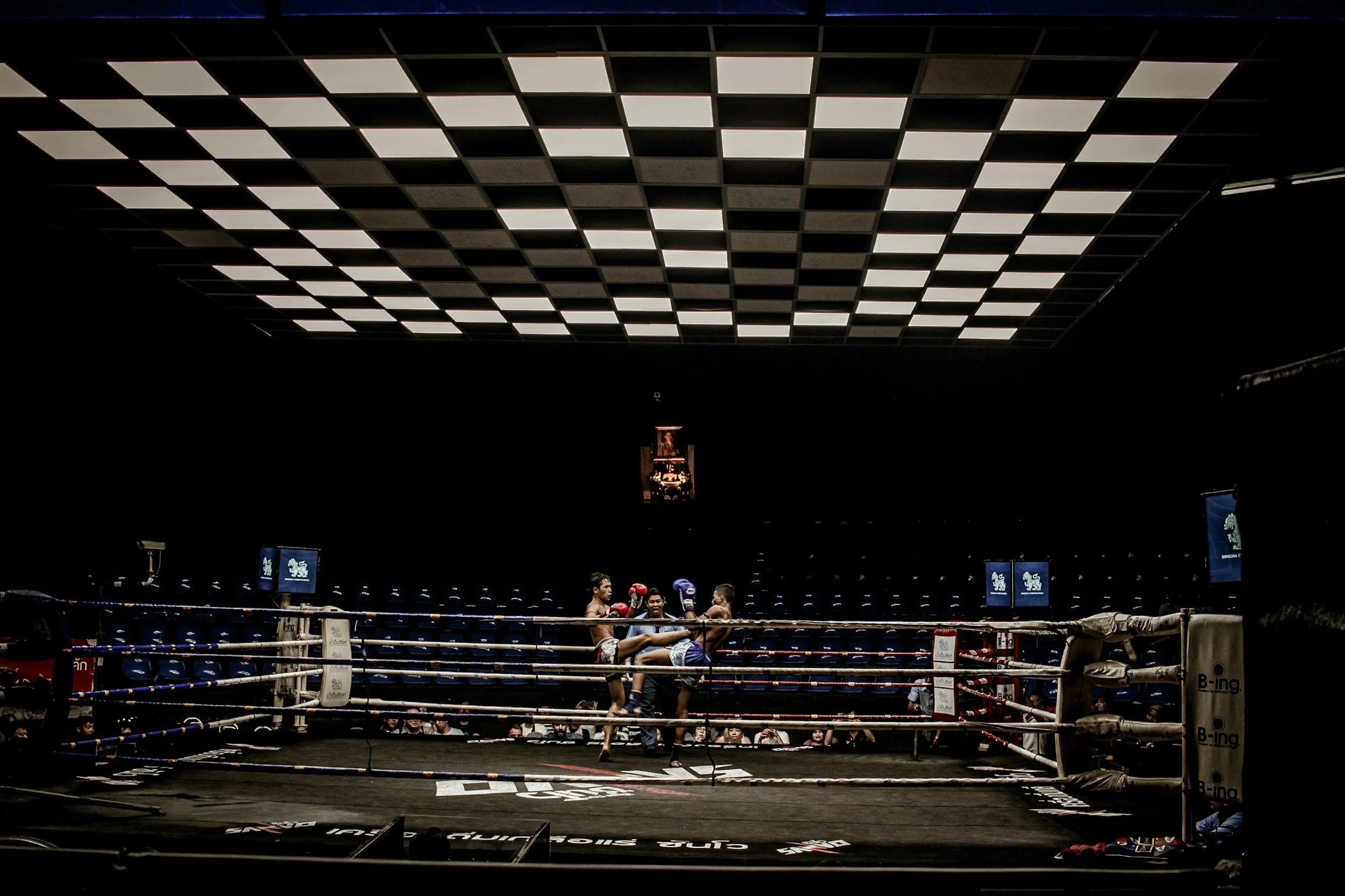
Muay Thai Physiotherapy Melbourne
Sore shins, rolled ankles, bruised ribs. Get back to kicking, checking, and clinching with a rehab plan built around the demands of Muay Thai.
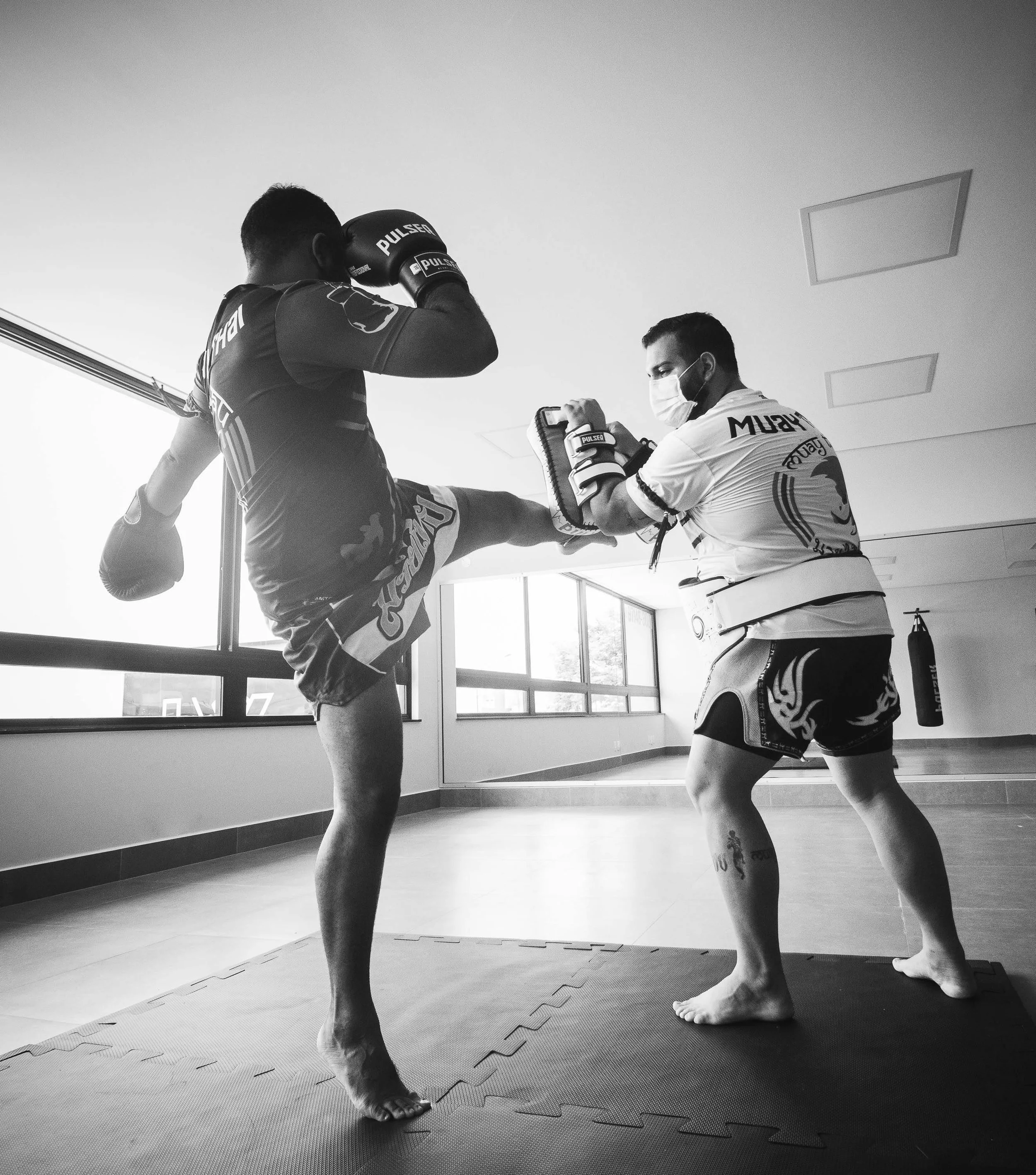
Why Muay Thai rehab has to match the sport
Muay Thai puts load through the whole body. You check hard leg kicks, absorb pressure in the clinch, throw elbows, and pivot on an ankle that's already under stress, then do it again round after round through a full session or fight camp.
The problem with a generic recovery plan is that "rest for four weeks and see how it feels" doesn't prepare you for any of that. Coming back before your body can handle the rotational force of a teep, the load on your ankle when you check, or five hard rounds of sparring is how small injuries turn into recurring ones.
Sport-specific rehab ties every stage of your recovery to a real demand of the sport. Whether you're a seasoned nak muay or newer to the ring, you come back to full training with a body that can take it.
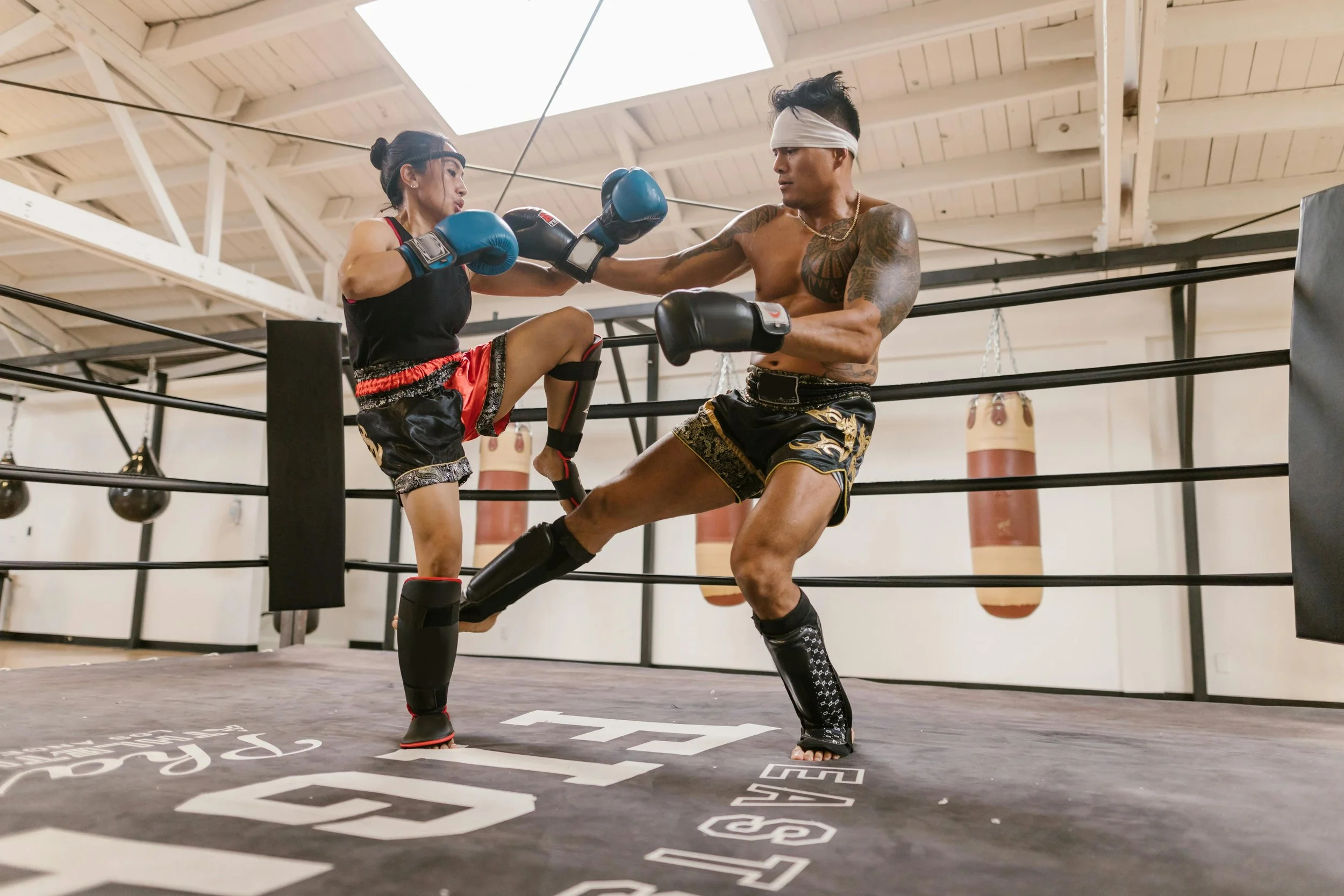
Common Muay Thai injuries we treat
Kicking, checking and clinch work load the shins, knees and hips hard, round after round. These are the injuries that come up most for nak muay across a camp.
Knee
Ligament and cartilage strain from teeps, checked kicks and clinch landings.
Shin
Contusions and bone soreness from checking and throwing kicks, round after round.
Ankle
Sprains and rolls from kicks, pivoting and footwork on the canvas.
Elbow
Joint and tendon strain from throwing elbows and absorbing blocks.
Rib
Bruising and intercostal strain from body kicks and clinch knees.
Shoulder
Rotator cuff and impingement pain from punch volume and clinch control.
Neck
Strain and stiffness from the Thai clinch and head-position battles.
Hip
Flexor and groin strain from kicking, teeps and loaded range.

Concussion
Head knocks from strikes, managed with a graded return to training.
Your Rehab Roadmap
Rehab Built Around Muay Thai
We use our Combat Ready System, a four-phase return-to-training plan built around the demands of Muay Thai. Every phase is criteria-based, so you always know what you're working toward and what comes next.
"An injured shin doesn't have to end your camp. We keep you working the parts of your game that aren't affected while we rebuild the ones that are." Tom Yeung, APA Physiotherapist
Assess
We assess the exact mechanism of your injury, whether it was a checked kick, a bad landing, or clinch overload, and build your baseline. You leave the first session knowing what's wrong and what happens next.
Rebuild
You get a written list of what you can still train safely. Shadowboxing, modified pad work, conditioning. We keep you in the gym while the injury heals instead of losing your base on the couch.
Return
Objective criteria guide each step. You progress to light contact, then controlled sparring, then full rounds based on measurable benchmarks instead of guesswork or pain levels alone.
Perform
We address the weak links that contributed to the injury: ankle stability for checking, shoulder robustness for clinch volume, lower back capacity for rotational load, so you're more durable going forward.
Who this is for
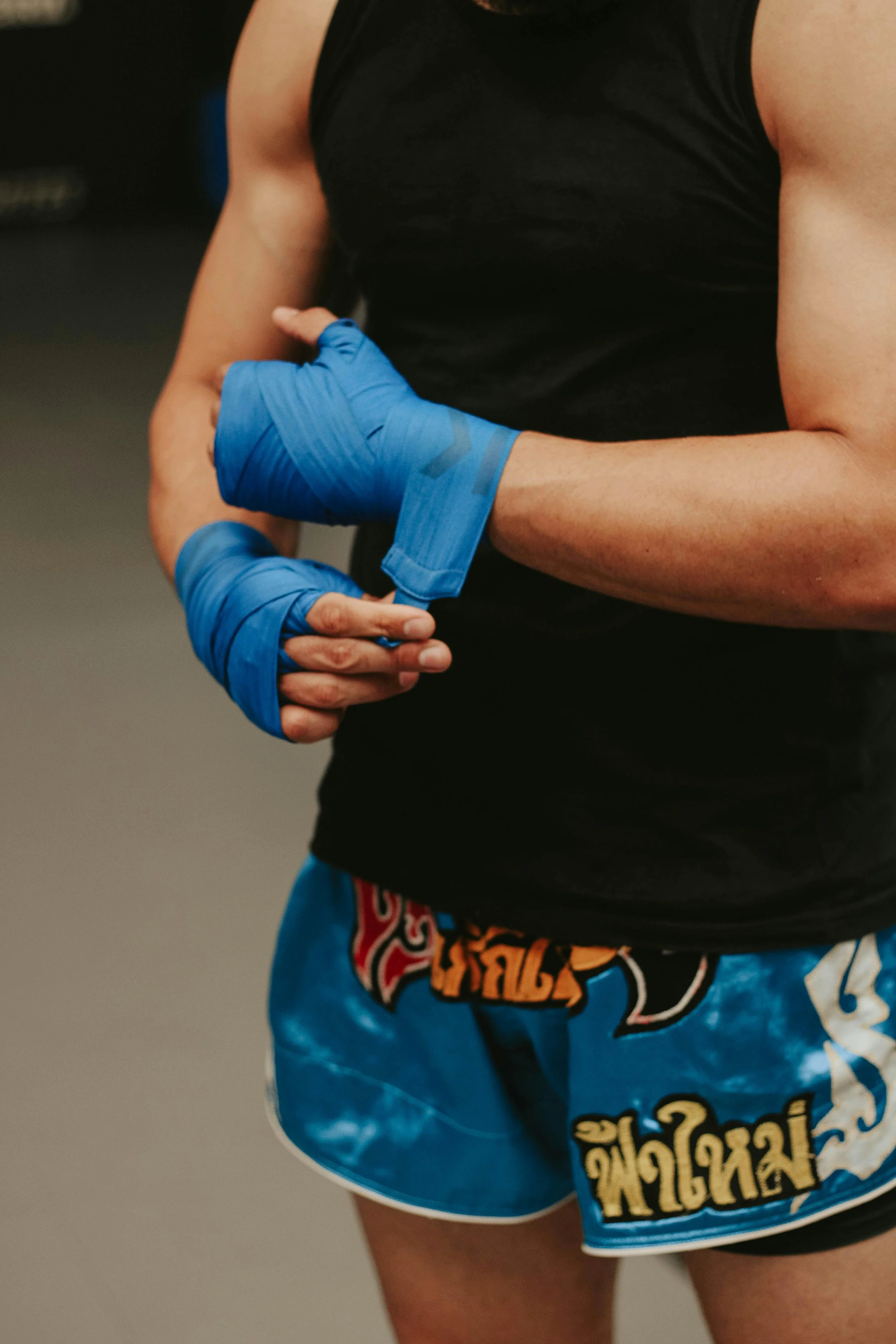
Whether you're a hobbyist who trains for fitness and loves pad work, an amateur nak muay deep in fight camp, or a gym regular who just wants to train consistently without injuries stacking up, we work with all levels of Muay Thai athletes.
You don't need to be a competitor to train seriously. If Muay Thai is part of your week and an injury is in the way, you're in the right place.
Frequently Asked Questions
-
No. Physiotherapists are first-contact practitioners in Australia, so you can book directly without a GP referral. You only need one if you're claiming through a Medicare care plan, DVA, or a workplace injury scheme. For a standard private or insurance booking, just book a consult.
-
The difference is what the plan is built around. A Muay Thai athlete has to absorb checking kicks, load through teeps, control in the clinch, and get through repeated rounds. Sport-specific rehab maps your recovery to those exact movements and loads, with clear criteria for returning to pads, sparring, and full rounds, so you come back ready for everything training demands.
-
It depends on what's going on. Shin soreness from checking can be simple bruising and conditioning, or it can be a sign of something that needs its load managed more carefully. The right answer comes from assessing how the shin responds to contact and load, then adjusting your training instead of stopping it completely where that's safe. Book a consult and we'll work out what your shin can handle and build from there.
-
That depends on the injury, how long it's been going on, and where you are in your training. The plan uses objective criteria instead of a fixed timeline. When your body can handle the load of each stage (light contact, controlled sparring, then full rounds), you progress, and you'll always know what the next milestone is. Book a consult for an honest read on your situation.
-
In most cases, yes. The aim is to keep you in the gym on the parts of your game the injury doesn't affect, whether that's shadowboxing, modified pad work, conditioning, or technical drilling, while we rebuild the injured area. Completely stopping is sometimes necessary, but only when it genuinely is. You'll get a written list of what's safe to train so you're not guessing.
-
Yes. Alongside in-clinic appointments in Moonee Ponds, online rehab is available for Muay Thai athletes anywhere in Australia. Online sessions work well for assessment, building and progressing your rehab plan, and guiding your return to training, with video so the physio can see how you move. If hands-on treatment is needed, that's flagged early. Book a consult and note that you'd like an online session.
In-person and online
Based in Moonee Ponds, with in-clinic appointments through our partner clinic Stride Physiotherapy. Online rehab for Muay Thai athletes available across Australia.
Rehab across every combat sport
Muay Thai is one of the sports we treat
See how the rehab approach fits together on the combat sports physio hub, or head straight to another sport.