Boxing Physiotherapy Melbourne
Shoulder pain, wrist injuries, elbow trouble. Get back to throwing combinations and sparring with a rehab plan built around boxing.
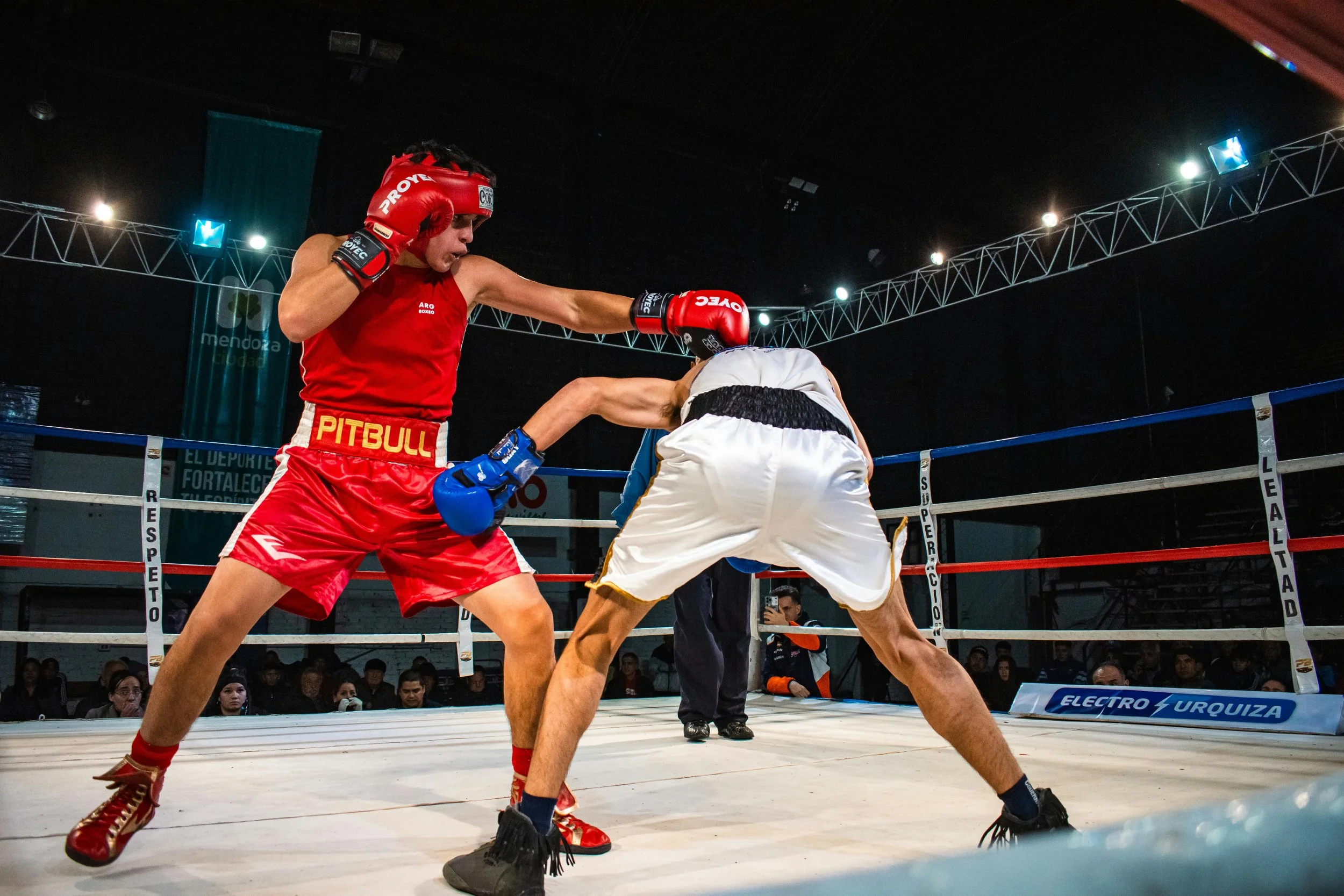
Why boxing rehab has to match the sport
Boxing puts heavy, repeated load through the shoulders, elbows, wrists and hands. Thousands of punches a session, head movement and footwork under fatigue, and impact absorbed through the gloves and wraps every round. That load creates an injury profile specific to the sport, and rehab has to account for it.
The part that catches boxers out is coming back too early. You can feel fine on the pads and still be a long way from full-contact sparring, where the shoulder, hand or wrist gets tested under real speed and impact. Rehab built around boxing rebuilds those areas against the actual demands of the sport: throwing combinations, taking shots, and moving under fatigue. By the time you return to full rounds, your rehab has prepared you for exactly that load.
Common boxing injuries we treat
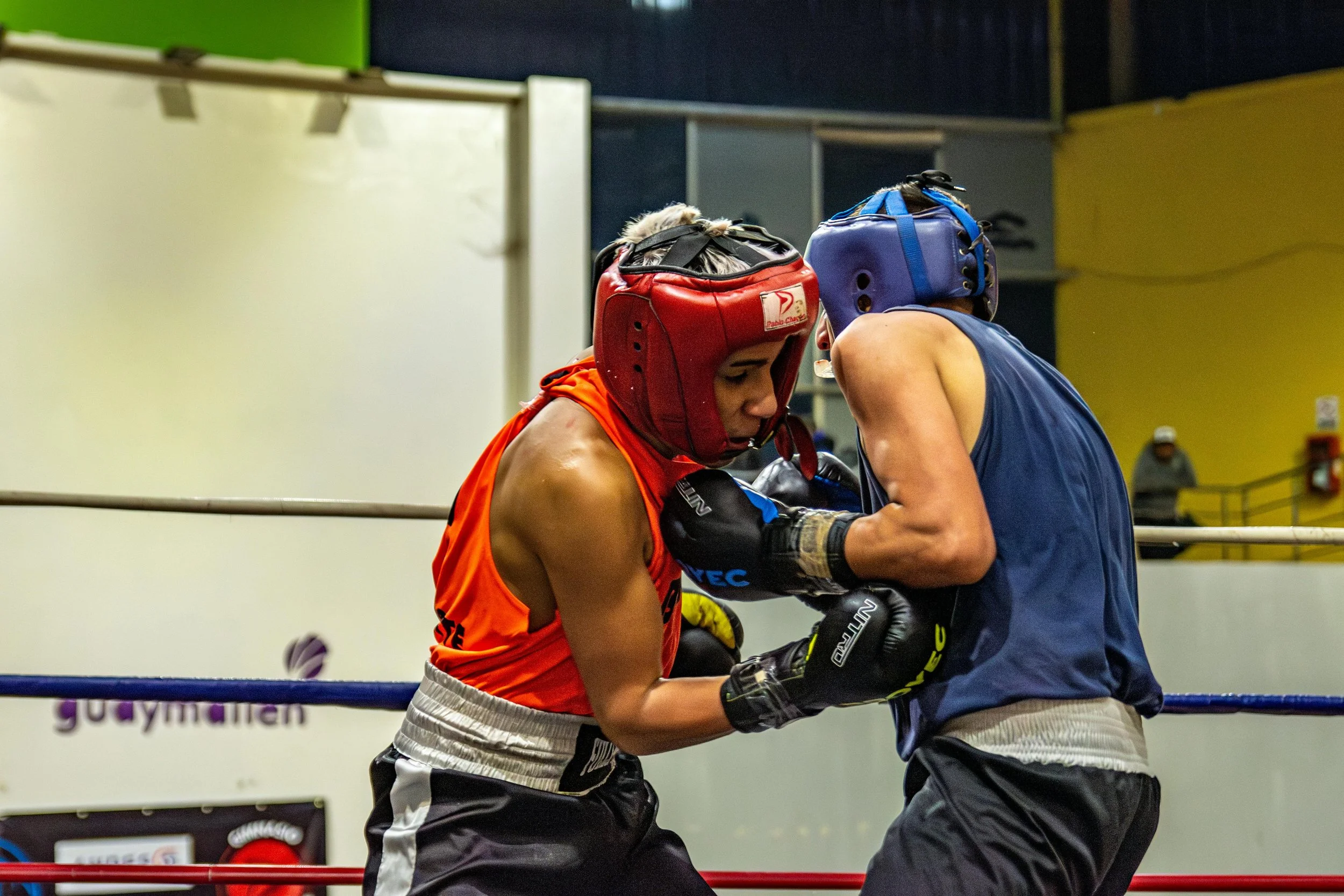
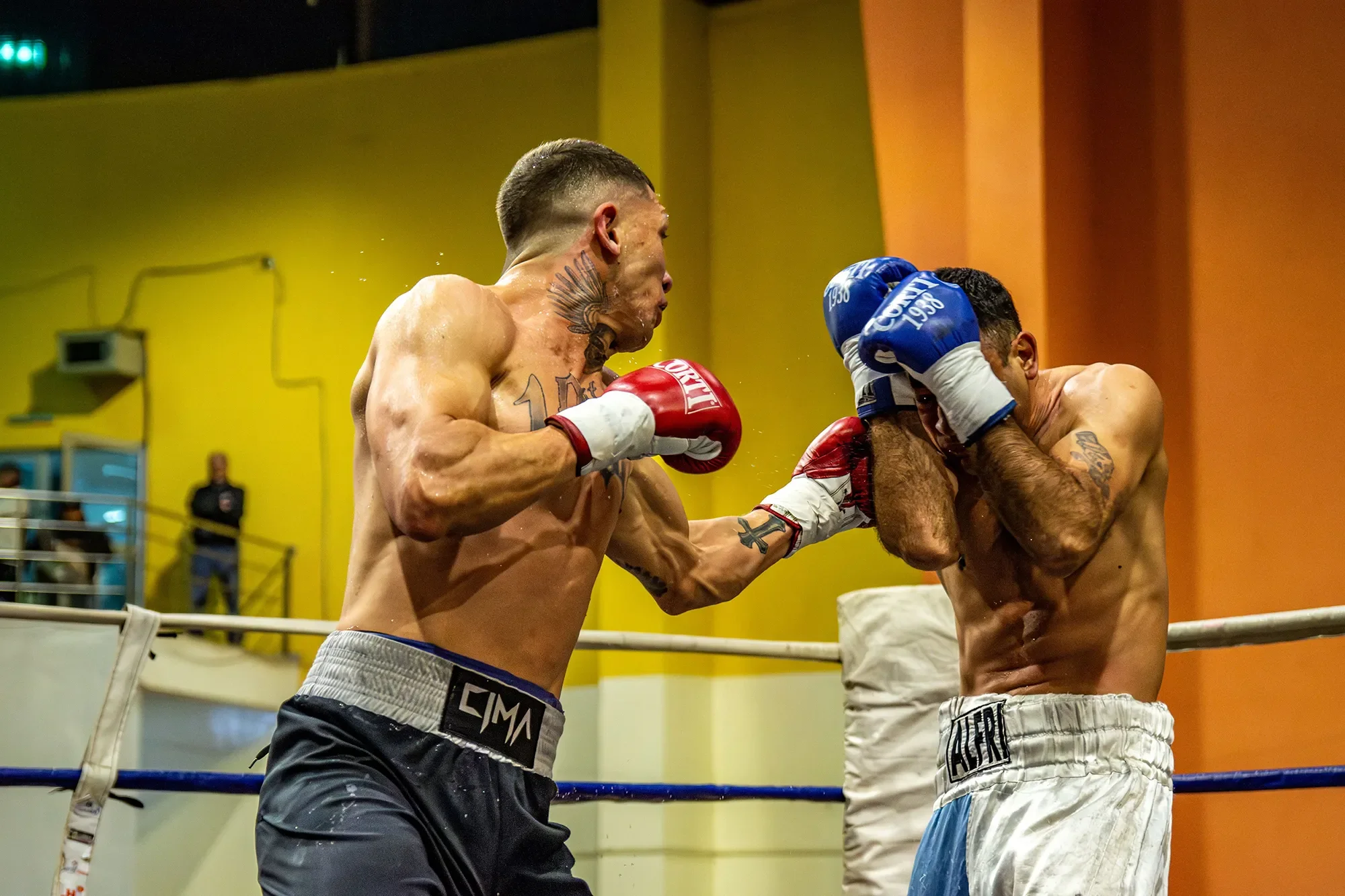
The hands, wrists and shoulders take the most repeated load in boxing, with the head and trunk close behind. These are the injuries that come up most for boxers.

Finger & Wrist
Boxer's fracture and wrist sprains from impact through the punch.

Shoulder
Rotator cuff strain and impingement from high punch volume and load.

Concussion
Head impact managed with a staged, criteria-based return to sparring.
Elbow
Hyperextension from overreaching punches and tendon pain from striking.

Neck
Strain from absorbing shots and holding head position under fatigue.

Rib
Bruising and intercostal strain from body shots and rotation.
Knee
Strain and tracking issues from pivoting and constant footwork.

Ankle
Sprains and instability from lateral movement and shifting stance.

Hip
Flexor and groin strain from rotation, pivoting and weight transfer through punches.
Your Rehab Roadmap
Rehab Built Around Boxing
We use our Combat Ready System, a four-phase return-to-training program built around the demands of boxing. It takes you from the first assessment through to full-contact rounds, with clear markers at each stage.
"An injured hand doesn't have to stop your training. We keep you working the parts of your game that aren't affected while we rebuild the ones that are."Tom Yeung, APA Physiotherapist
Assess
We assess the injury against your actual training: how many sessions a week, how much sparring, whether you're in camp or off-season. The plan is built around how you train.
Rebuild
You get a clear list of what's safe to keep doing: footwork, conditioning, and bag work with modifications, so you hold your base while the injury settles.
Return
A staged return to full training with objective markers at each step. We tell you when you can hit the bag, when you can spar technically, and when you're ready for full rounds.
Perform
Shoulder, wrist and grip conditioning plus load management, so your body handles the volume of a full camp and the repeated impact of sparring.
Who this is for
White collar boxers, amateur competitors, gym regulars, and anyone training boxing seriously who wants to keep training without their shoulder, wrist or hand becoming a recurring problem.
Whether you spar a few times a week or you're preparing to compete, your rehab is built around your training load and the level you're coming back to.
Frequently Asked Questions
-
No. You can book directly without a referral. If you're claiming through private health or a specific scheme, check what your provider needs, but for a standard appointment you can book straight in.
-
Yes. Pain that shows up when you punch or hold your guard is worth getting assessed while it's still manageable. An early look lets us map out what's safe to keep doing while it settles.
-
It comes down to what the rehab is preparing you for. Boxing rehab is built around full training as the end point, so the plan works the shoulder, hand or wrist against the real demands of the sport: throwing combinations, taking shots and moving under fatigue. The aim is to have those areas tested against boxing load before you return to full sparring, so the return holds up when the rounds get hard.
-
Yes. Hand and wrist injuries are some of the most common things boxers come in with. Once the bone or soft tissue has healed enough to load, rehab focuses on rebuilding grip, wrist stability and the ability to make a tight, safe fist under impact, then progressing back through bag work and sparring in stages.
-
Usually not. In most cases there's still plenty you can work: footwork, conditioning, defensive movement and bag work with modifications, depending on the injury. Part of the plan is mapping out what stays safe to do so you hold your fitness and timing while the injured area recovers.
-
Yes. The clinic is in Moonee Ponds, with in-clinic appointments through Stride Physiotherapy, and online rehab is available for boxers anywhere in Australia. Online sessions cover assessment, a structured plan and progress reviews, with adjustments as you work through it.
In-person and online
Based in Moonee Ponds, with in-clinic appointments through our partner clinic Stride Physiotherapy. Online rehab for boxers available across Australia.
Rehab across every combat sport
Boxing is one of the sports we treat
See how the rehab approach fits together on the combat sports physio hub, or head straight to another sport.