
COMBAT SPORTS PHYSIOTHERAPY · MOONEE PONDS
Combat Sports Physio in Melbourne
Built around how you actually train
Injury rehab and return-to-training support for BJJ, MMA, Boxing, Muay Thai and Wrestling athletes. We assess the injury against your actual training, then build the plan around getting you back to it. In-clinic in Moonee Ponds, online across Australia.
Who this is for:
You train in a combat sport and something's not holding up. Maybe a knee that's been catching since that last scramble, or a shoulder that won't load the way it used to.
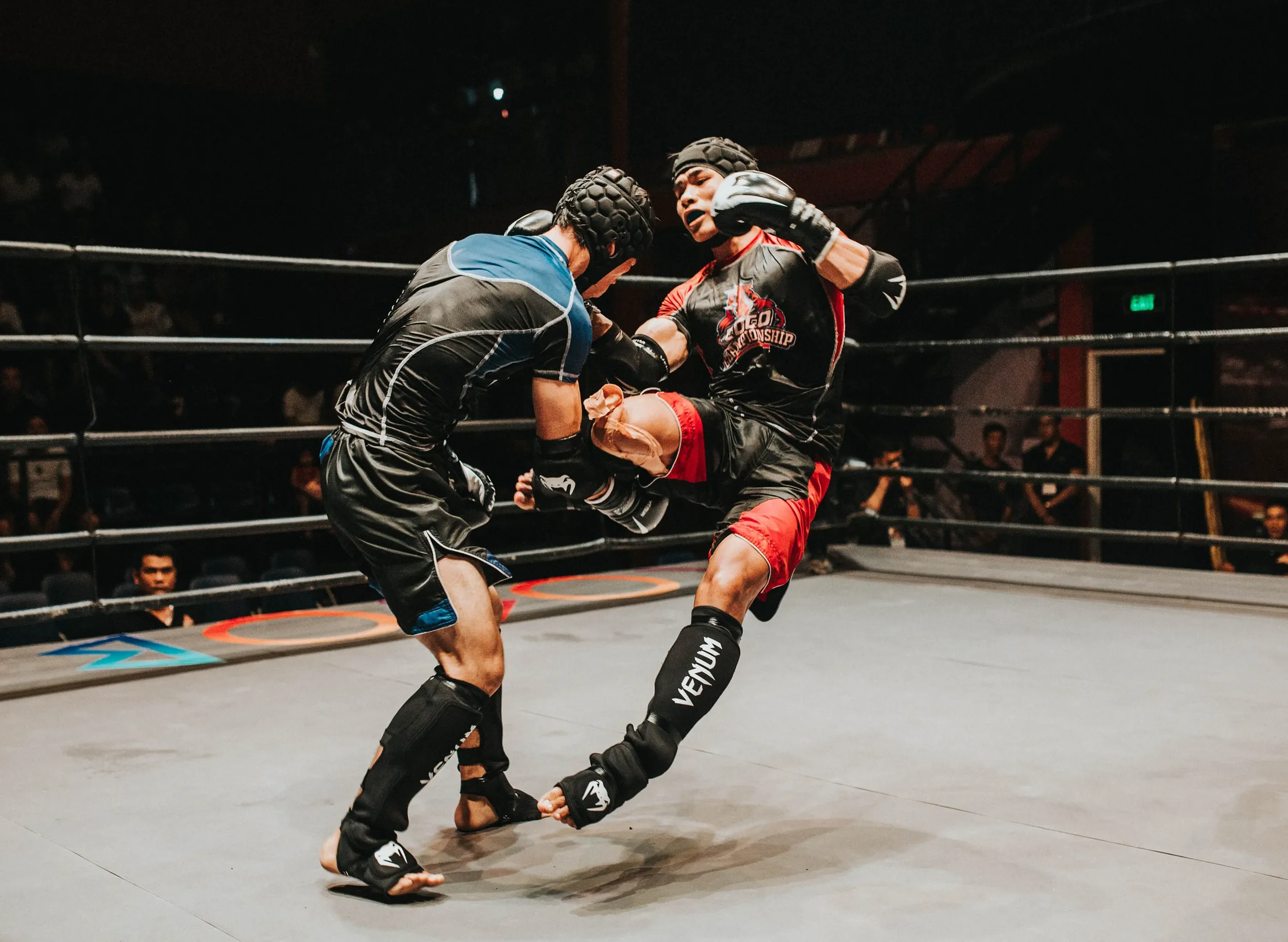
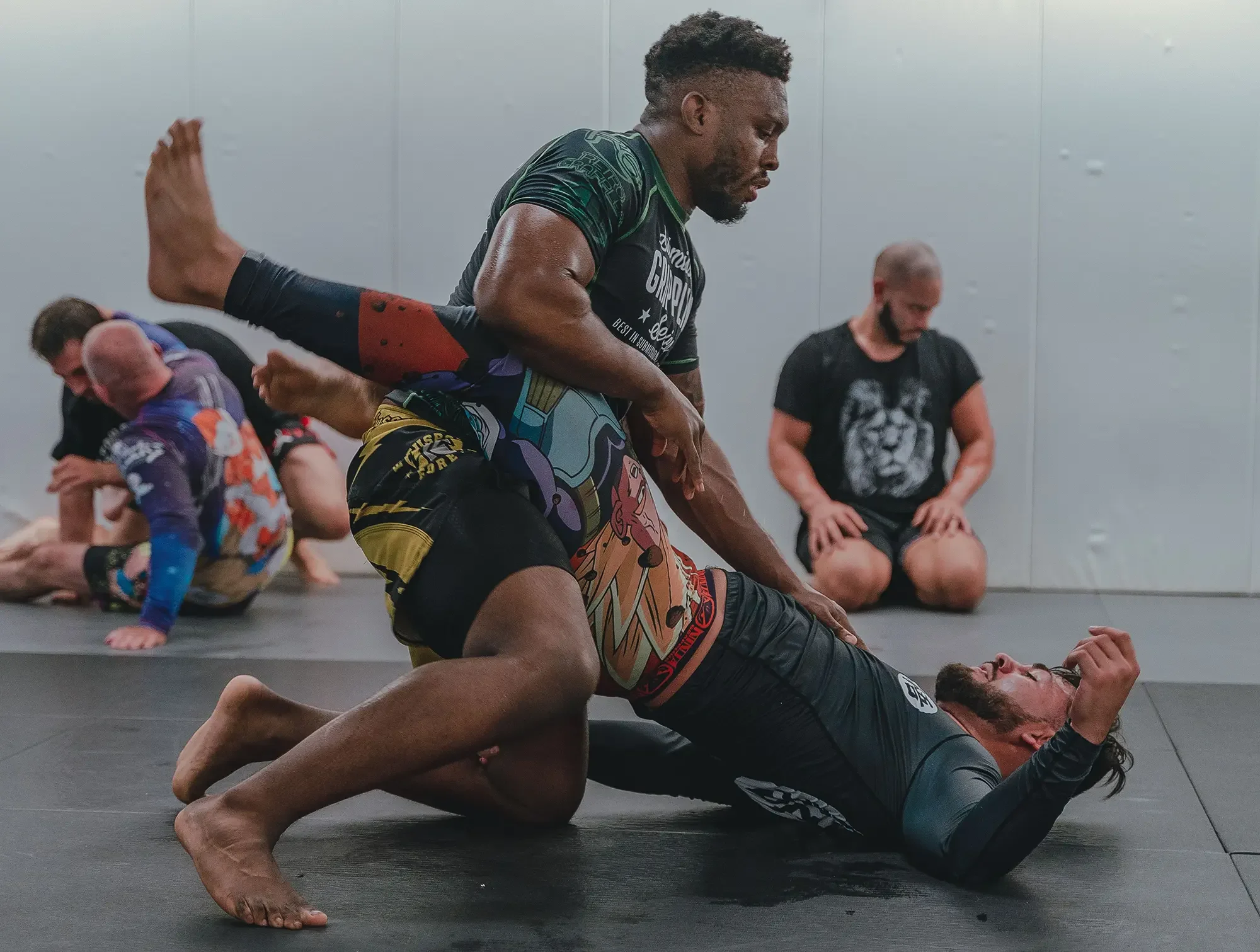
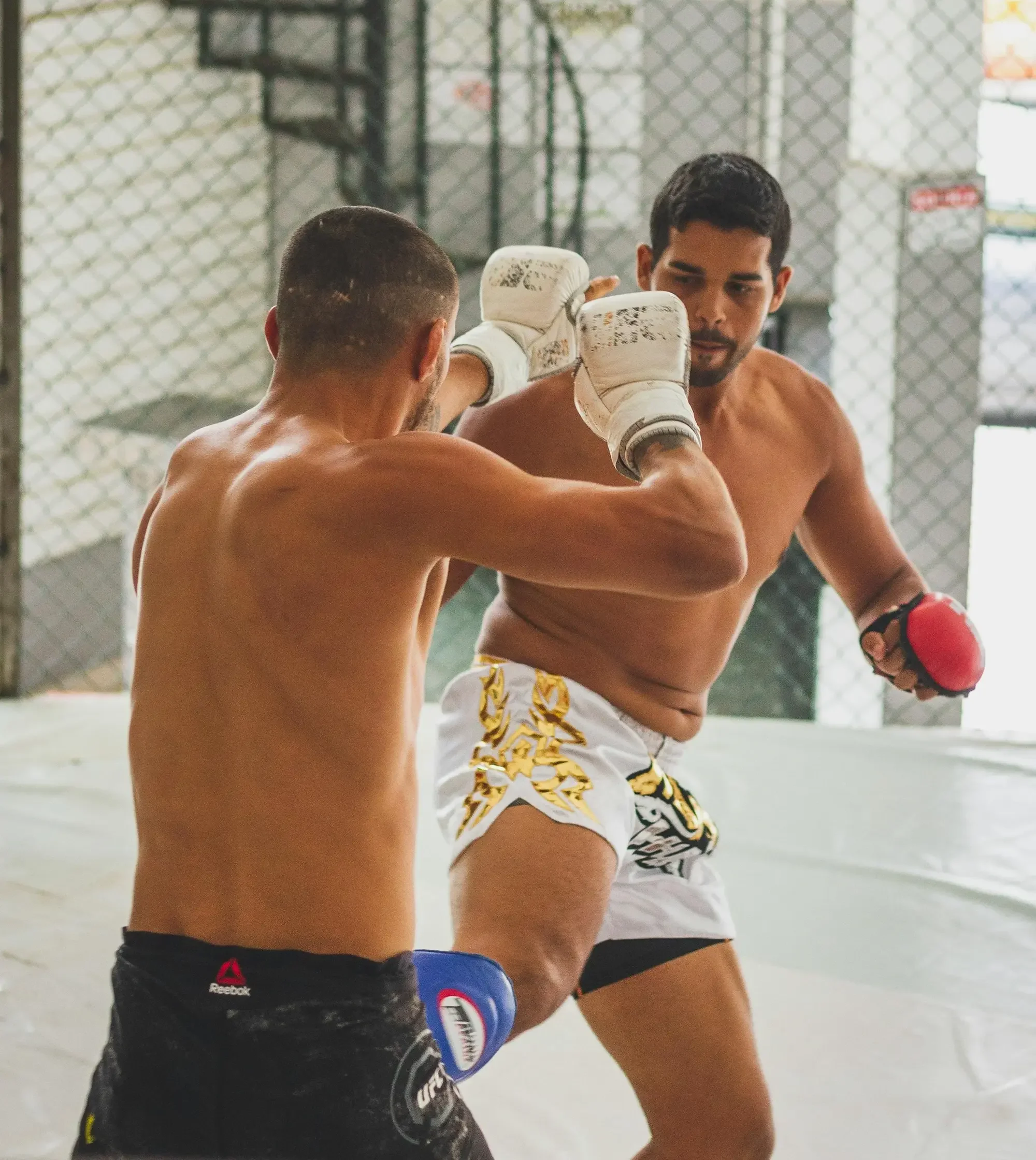
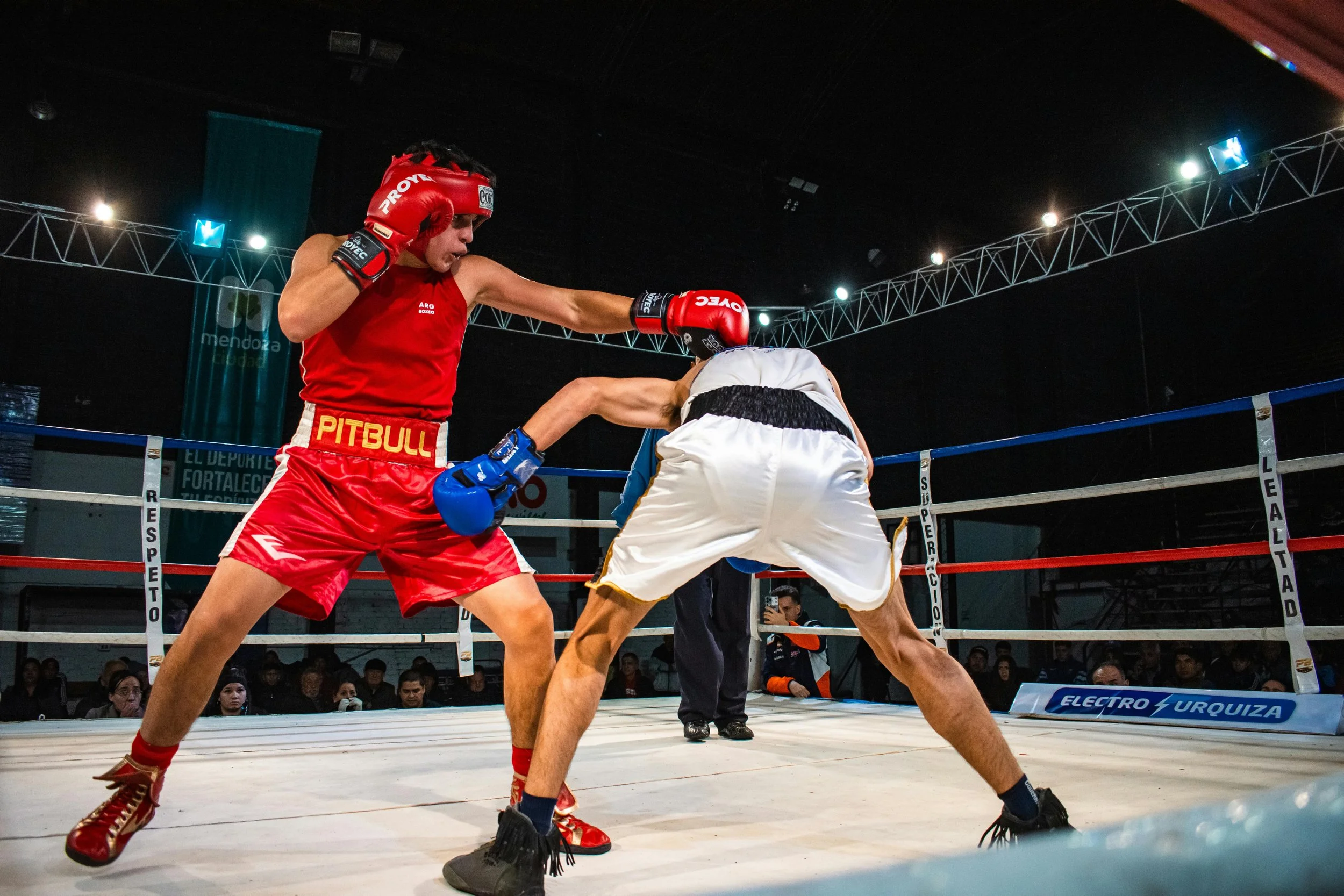
This is physiotherapy for people who fight, grapple and spar. BJJ, MMA, boxing, Muay Thai, wrestling and taekwondo. Competitors cutting for a fight, hobbyists training four nights a week, and everyone who just wants to get back on the mats without making the injury worse.
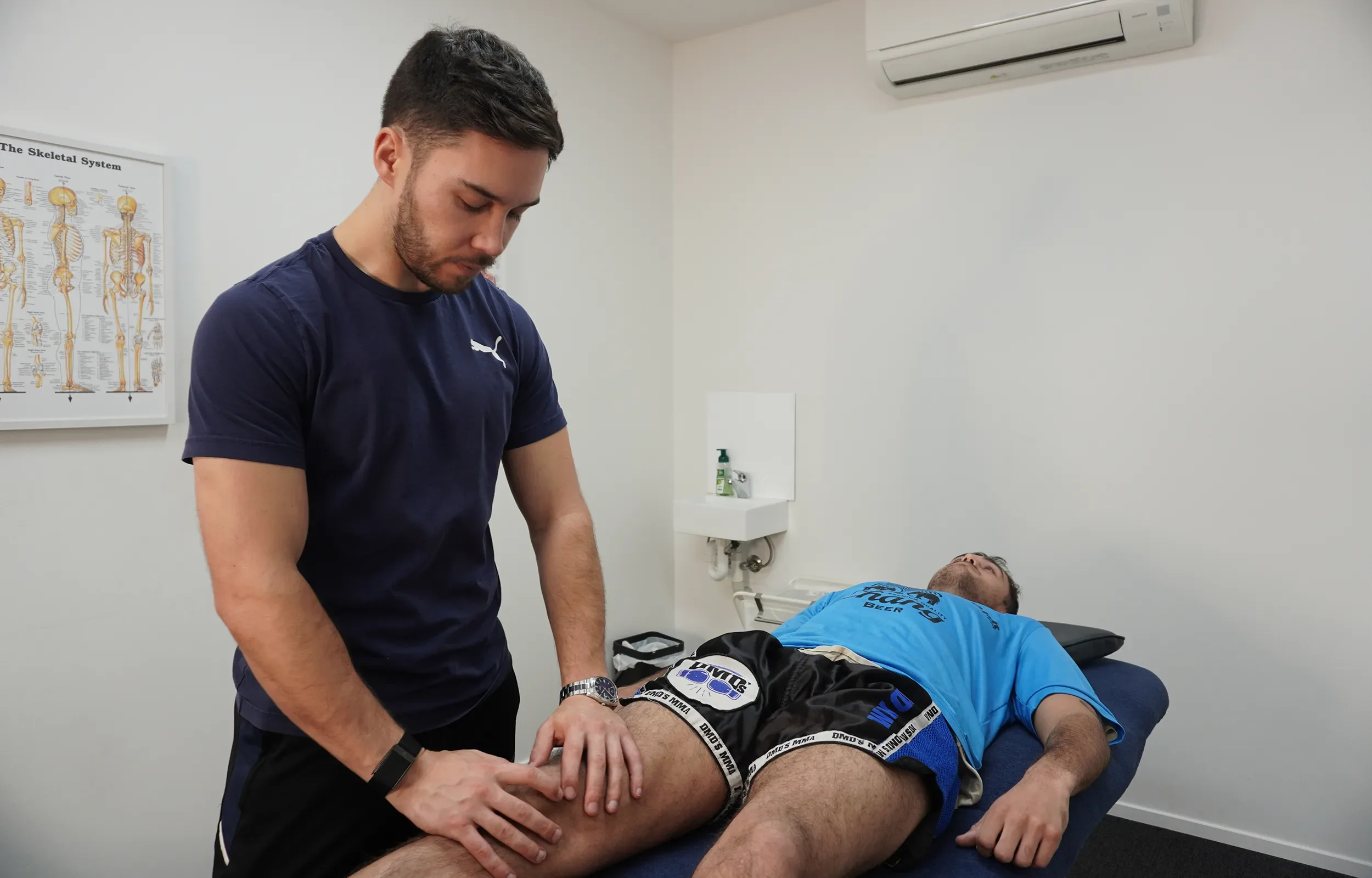
Tom trains and treats in these sports. The assessment and the plan are built around what your sport actually demands of your body, so the rehab matches the training you're trying to get back to.
Common combat sports injuries we treat
Combat sports load the body in ways most sports don't, with repeated impact, end-range positions and the demand to attack and defend at once. These are the injuries that come up most across grappling and striking, and what a sport-specific rehab plan is built to handle.
Knee
Ligament strains and meniscus irritation from takedowns, scrambles and checked kicks.
Shoulder
Rotator cuff strain and instability from posting, punching and clinch control.

Neck
Strain and stiffness from cranks, head clashes and absorbing shots.
Elbow
Hyperextension and tendon pain from armbars, striking and bag work.

Rib
Bruising and intercostal strain from body shots, knees and getting stacked.
Finger & Wrist
Sprains and tendon irritation from gripping, jamming punches and catching limbs.
Ankle
Sprains and instability from footwork, pivoting, checked kicks and entanglements.
Hip
Flexor and groin strain, labral irritation from guard work and kicking.

Concussion
Head knocks from strikes and slams, managed with a staged return.
Why combat sports rehab has to match the sport
The injury is only half the problem. The other half is what you're trying to get back to.
A knee that feels fine walking around can still fold under a takedown. A shoulder that passes a basic strength test can still give out in the clinch, or when you throw a cross at full speed. Feeling okay day to day and being ready to train are two very different things, and the gap between them is where re-injury happens.
So the rehab is built backwards from your sport. We look at the positions, loads and movements your training actually demands, then test the injured area against those. The plan progresses on what you can do under real training stress, not on how long it's been or whether the pain has settled.
Take a shoulder that got hurt posting on a takedown. General rehab might get it strong and pain-free in everyday ranges and call it done. But a grappler's shoulder has to survive being driven into the mat, loaded overhead in a scramble, and wrenched in a frame or an underhook. Testing it against a basic strength benchmark misses all of that. Returning to training after injury means the shoulder gets tested against those exact positions, under load, before you're cleared for them, which is the difference between feeling ready and being ready.
That's the whole point of seeing someone who works in combat sports. The assessment speaks your sport's language, and the return-to-training plan is measured against the thing you actually want to do, which is train and compete.
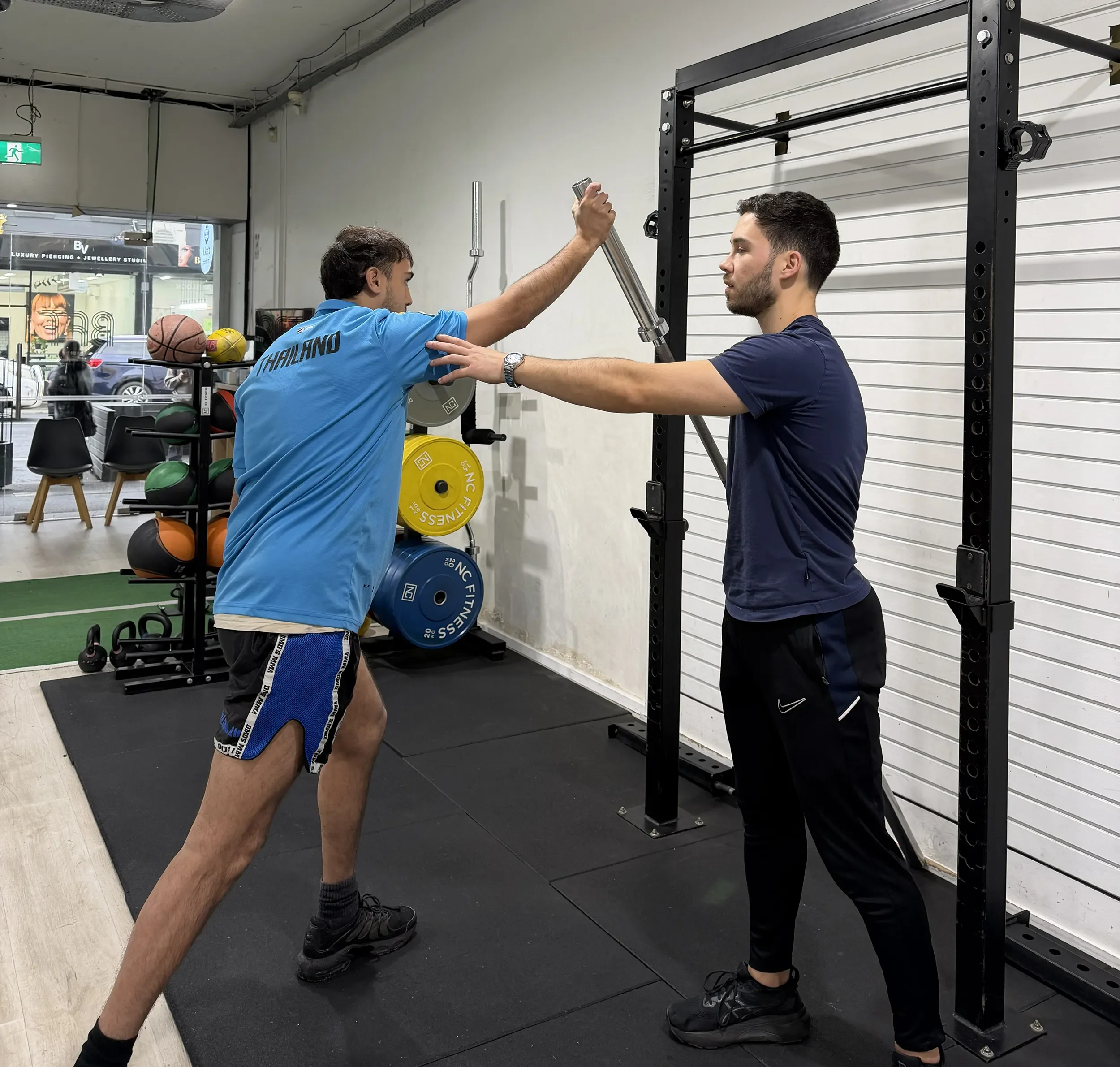
Combat Sports Physio in Moonee Ponds
The clinic sits on Puckle Street in Moonee Ponds, in Melbourne's inner north-west, a pocket of the city with a real combat sports community. There are BJJ, MMA, boxing and Muay Thai gyms across the inner north and west, and the athletes training in them need rehab that understands what their sport actually asks of their body.
That's the gap this fills. Combat sports physio in Moonee Ponds, built specifically for grapplers, strikers and mixed martial artists, rather than general sports physio that treats the injury without accounting for the training you're going back to.
The location is easy to reach from Essendon, Ascot Vale, Brunswick, Flemington and the surrounding suburbs, with street parking on Puckle Street, the route 59 tram around the corner, and Moonee Ponds train station a short walk away.
In clinic or online
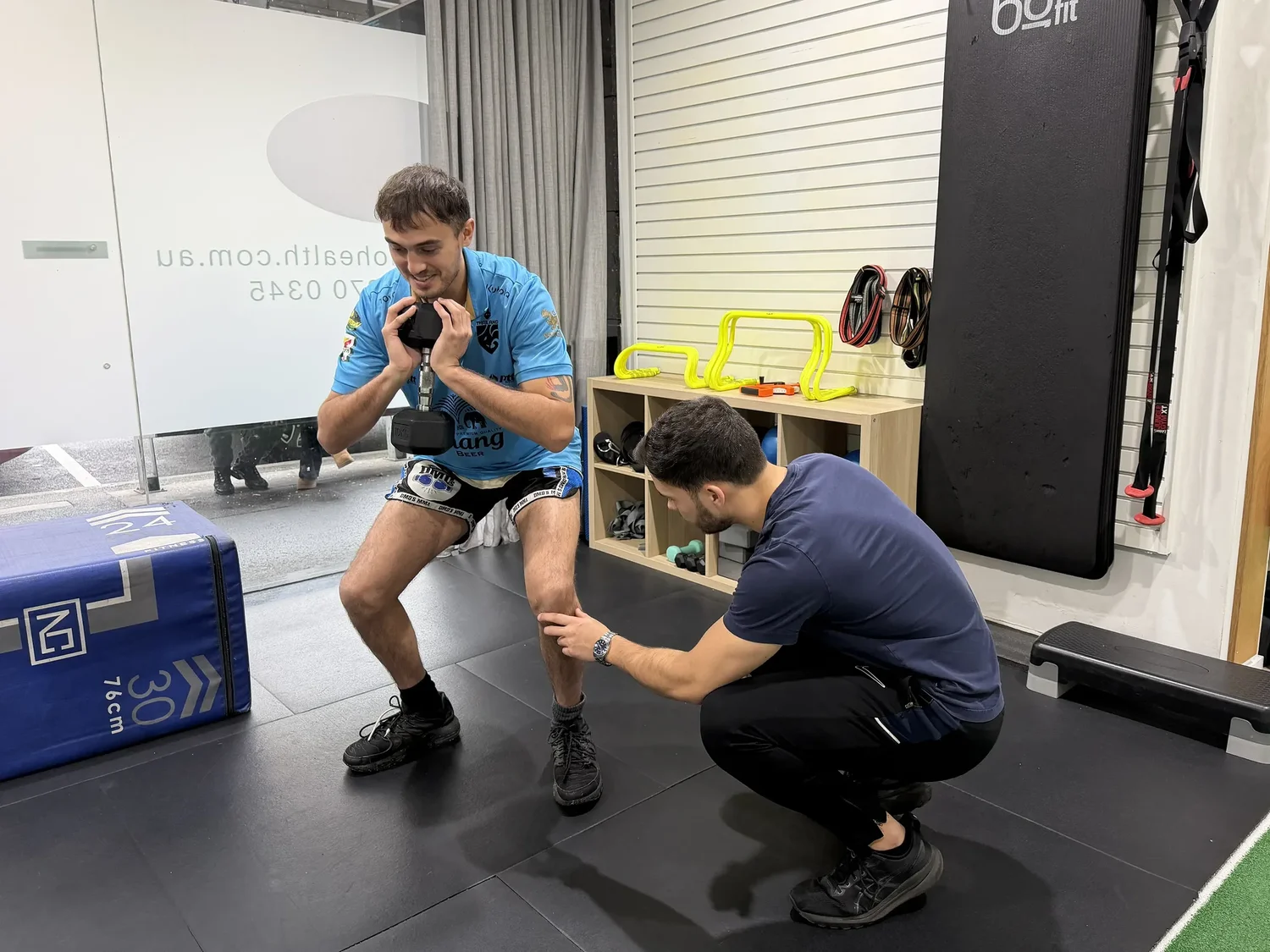
In clinic
13-15 Puckle Street, Melbourne
- Assessment against the real demands of your sport
- Hands-on treatment for pain and movement restriction
- A written rehab plan built around your training week
- Criteria for each step back to rolling, sparring or competition
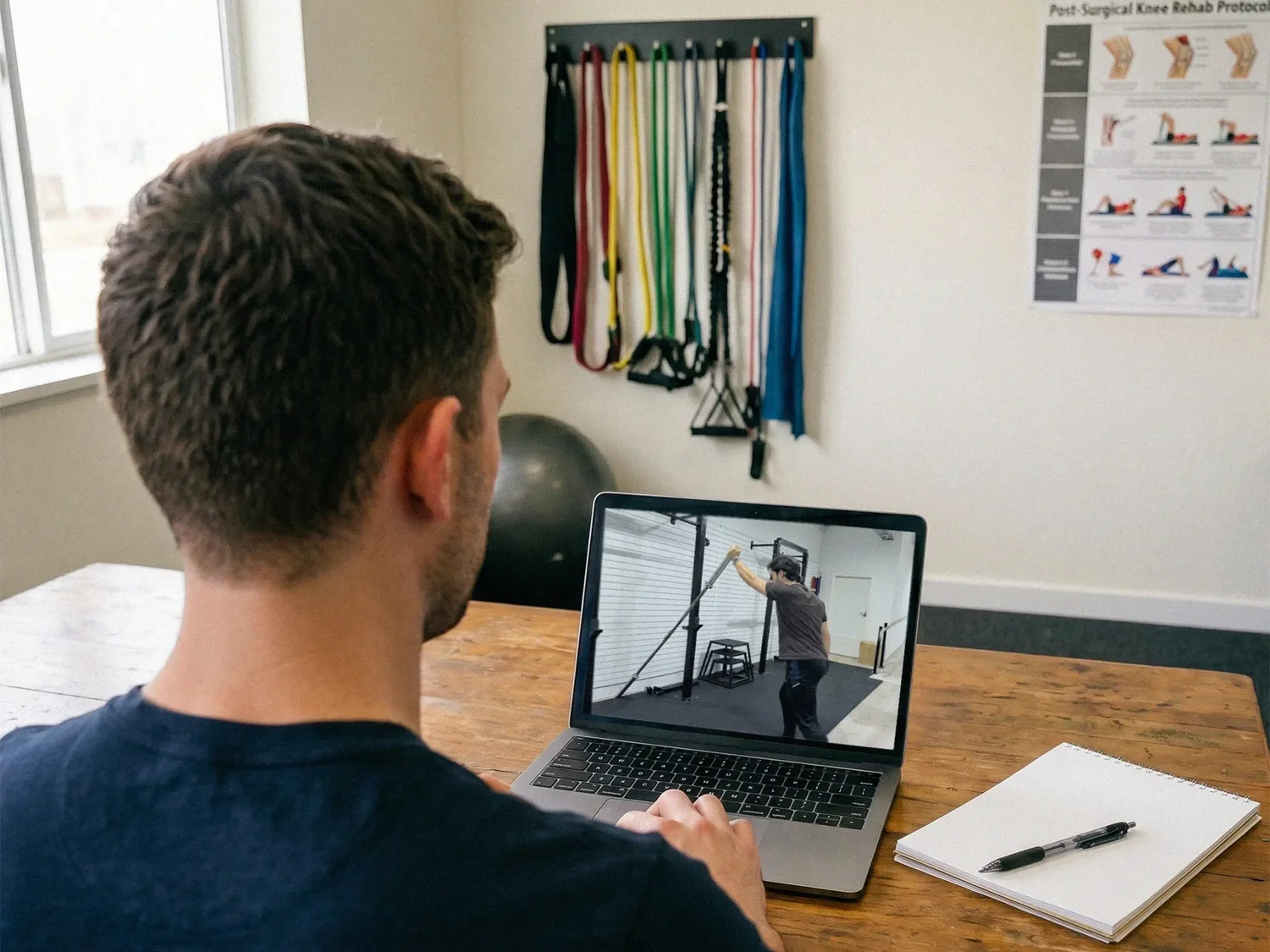
Online
Video consultation
- For BJJ, MMA, Muay Thai, boxing and wrestling athletes
- Injury assessment and a step-by-step rehab plan by video
- Weekly progressions based on how the injury responds
- Training modifications so you hold your conditioning
How it works
The Combat Ready System
Every athlete starts in the same place: a clear assessment of the injury against everything your training asks of you. From there, the plan moves through four phases, from managing the injury to performing at full load.
"An injury doesn't have to put your whole training on hold. The job is to keep you working the parts of your game that aren't affected while we rebuild the ones that are."Tom Yeung, APA Physiotherapist
Assess
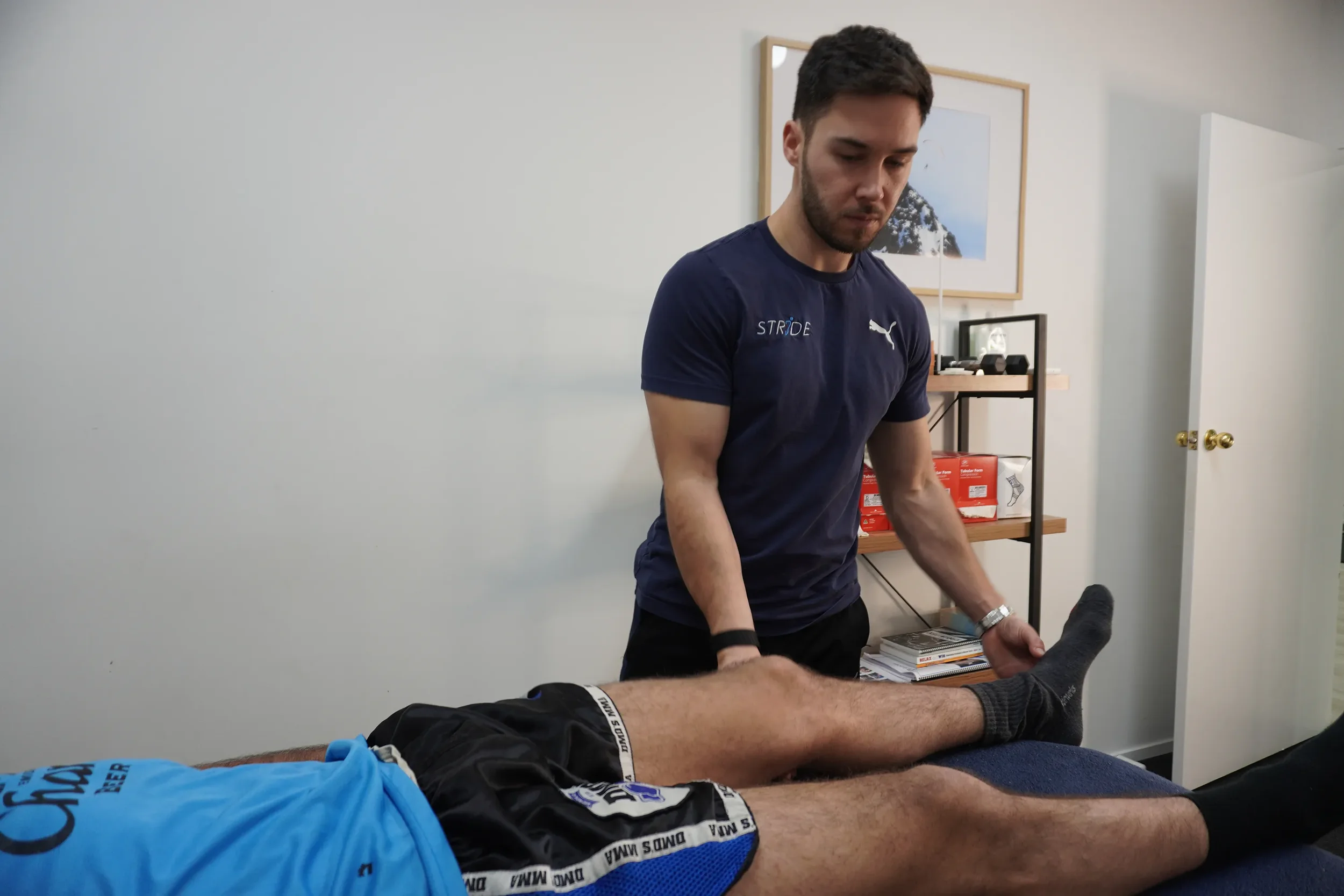
We assess the injury against the full demands of your sport, then put a clear, written plan in place. You leave the first session knowing what's going on and what the road back looks like.
Rebuild
You stay training. We work out what you can do safely while the injury is managed, so you keep your conditioning and timing instead of sitting on the sidelines.
Return
Return happens on criteria, not the calendar. We bring you back through your sport's positions and intensities in a staged sequence, testing readiness at each step before you progress.
Perform
The last phase builds durability. Strength and conditioning gets integrated into your training so the injured area can handle the load of full sessions, sparring and competition.
Frequently Asked Questions
-
The difference is in what the rehab is built around. A combat sports session looks at the positions, loads and contact your training actually involves, then tests and progresses the injury against those. The aim is a return-to-training plan measured against sparring, rolling and competition, so you're not guessing about when you're ready. The assessment and the language are built around your sport.
-
BJJ, MMA, boxing, Muay Thai, wrestling and taekwondo, plus the crossover athletes who train more than one. Whether you compete or train recreationally, the approach is the same: assess the injury against your sport, then build the plan around getting you back to it. If you train a striking or grappling art that isn't listed, get in touch and we'll let you know if we can help.
-
Combat sports is the focus, and it's where most of our athletes come from. That said, the way we work, assessing an injury against the real demands of your training and building the plan around it, applies to any active person. If you're not a combat athlete but you want rehab that's built around getting you back to your sport, get in touch and we'll let you know if we're the right fit.
-
No. Physiotherapy is a primary contact profession in Australia, so you can book directly without a doctor's referral. If you're claiming through private health insurance, you generally don't need one either. The exception is some funding schemes like a GP-managed care plan, TAC or WorkCover, which have their own referral requirements.
-
Usually, yes, and keeping you training is part of the plan. Once Tom has assessed the injury, the goal is to work out what you can do safely so you hold onto your conditioning and timing while the injured area is managed. What that looks like depends on the injury, and some cases do need a period of rest, but sitting out completely is the last resort, not the default.
-
It depends on the injury, how long it's been there and what you're trying to get back to. Some things settle in a few sessions, others need a longer build, especially if you're returning to full contact or competition. You'll get a clear picture at the first assessment, once Tom has seen the injury and understood your training, rather than a number pulled out before anyone's looked at it.
-
Yes. Tom runs online consults for combat athletes across Australia, with a sport-specific assessment and a structured plan you can follow from your own gym, plus video check-ins to progress it. In-person is the better starting point where hands-on testing and contact matter, so for athletes who can reach Moonee Ponds, that first session is worth doing in the clinic. Beyond that, a lot of rehab works well online, and it's the right fit if you're outside Melbourne or training between sessions.
-
Wear or bring training gear you can move in, since the assessment involves testing how the injured area handles real movement. If you've had any scans, reports or a referral related to the injury, bring those too. Beyond that, just come ready to talk through how it happened and what your training looks like.
-
The first session is an assessment. Tom goes through how the injury happened, what aggravates it and what your training looks like, then tests the area against the movements your sport demands. You leave with a clear picture of what's going on and a written plan for the road back. You can book an initial consult online.
Ready to get back to training?
Book an initial consult and we'll start with a clear assessment and a plan built around your sport.