MMA Physiotherapy Melbourne
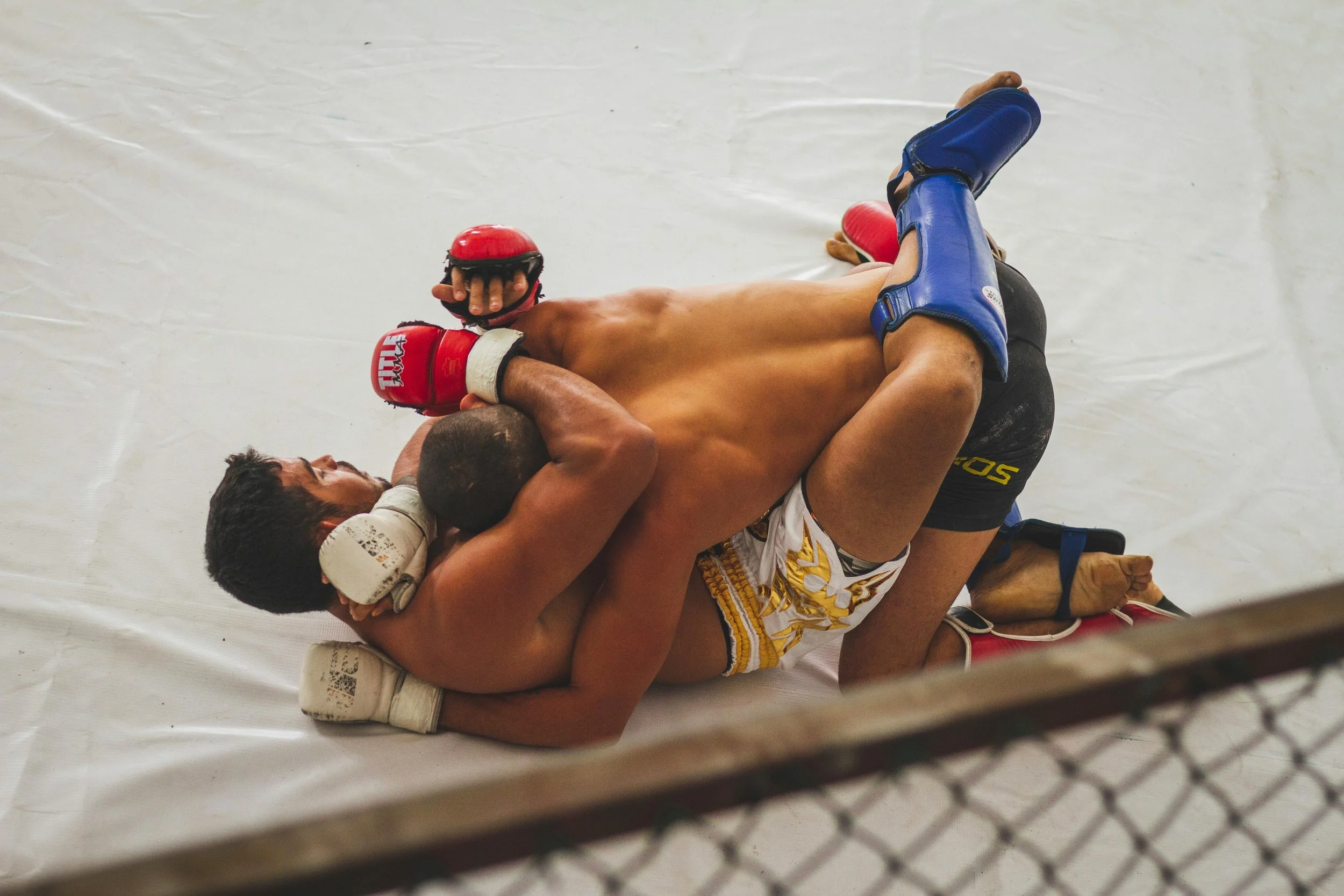
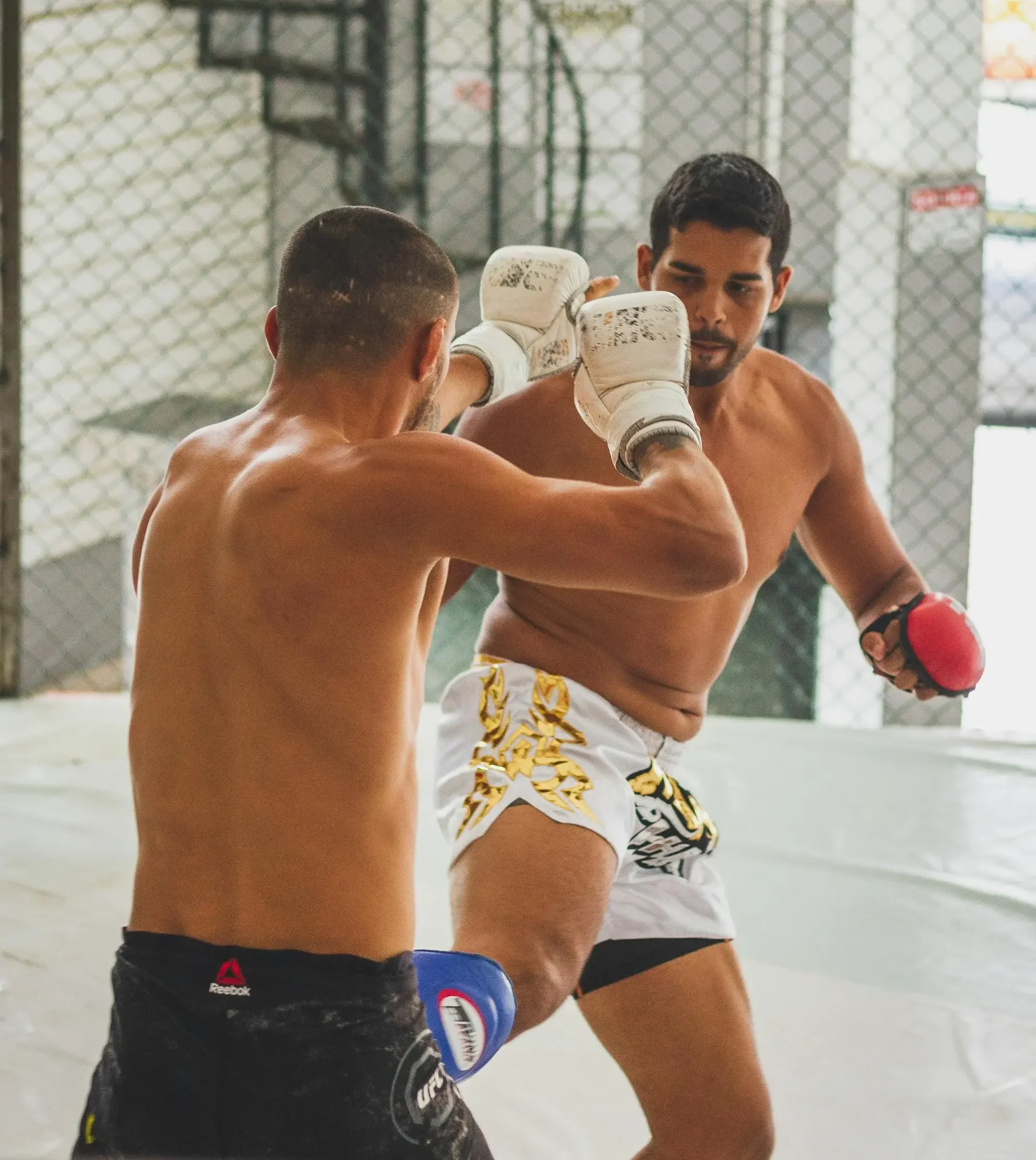
MMA injuries span every range: striking, grappling, takedowns, clinch.
Your rehab plan needs to cover the same ground.
Why MMA rehab has to match the sport
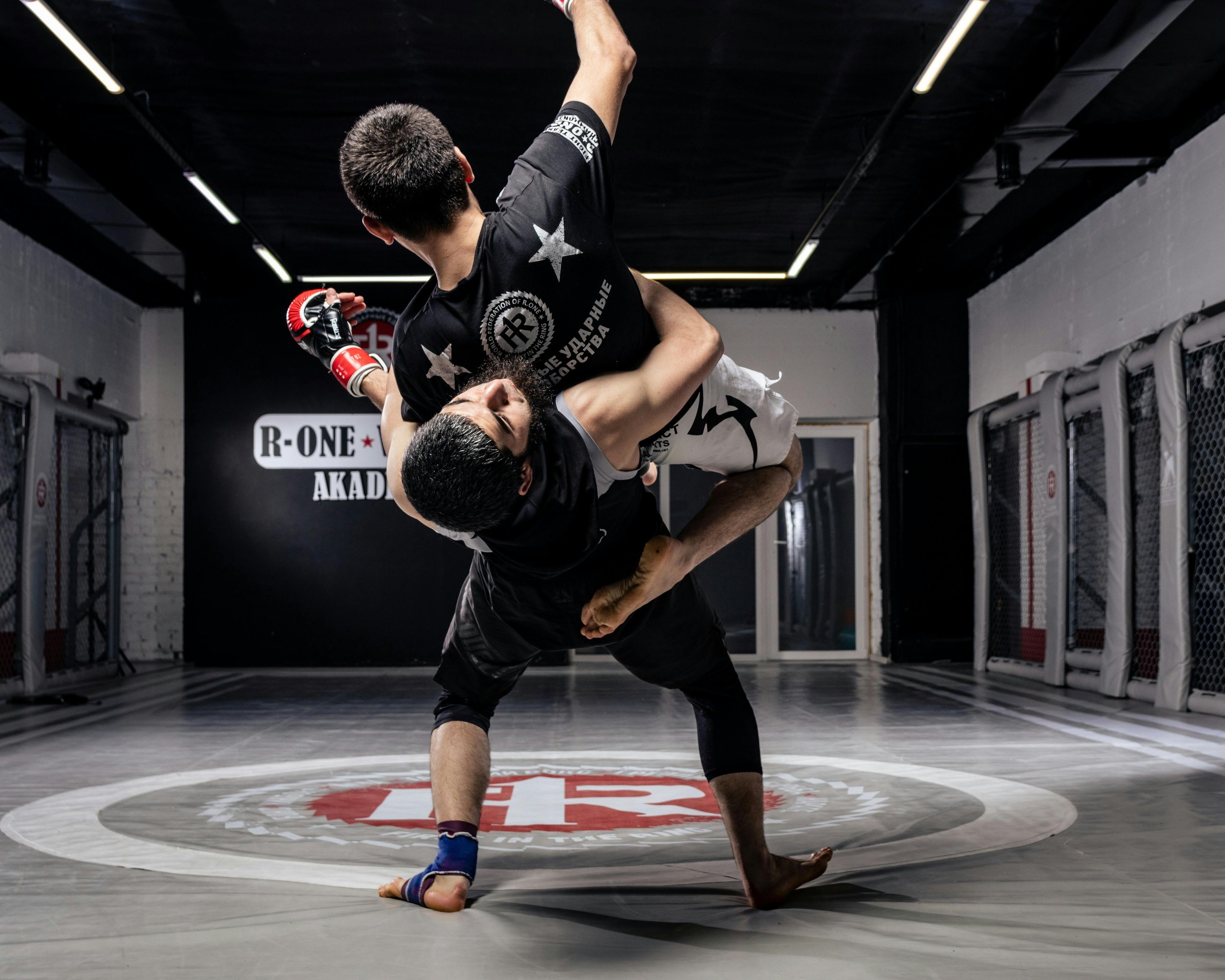
MMA loads your body in more ways than any single discipline does. You're carrying the shoulder and wrist demands of boxing, the knee and submission forces of BJJ, the ankle and shin stresses of Muay Thai, and the takedown impact of wrestling. An injury in one range affects how you train in all the others.
Treating an MMA injury on its own, without accounting for the demands of every discipline you train, leaves gaps. You can end up cleared for one range while still exposed in another. Sport-specific rehab looks at the full picture: what you can still train safely, how to hold your conditioning across each discipline, and how to get back to full-contact training without undoing your camp or your progress.
Common MMA injuries we treat
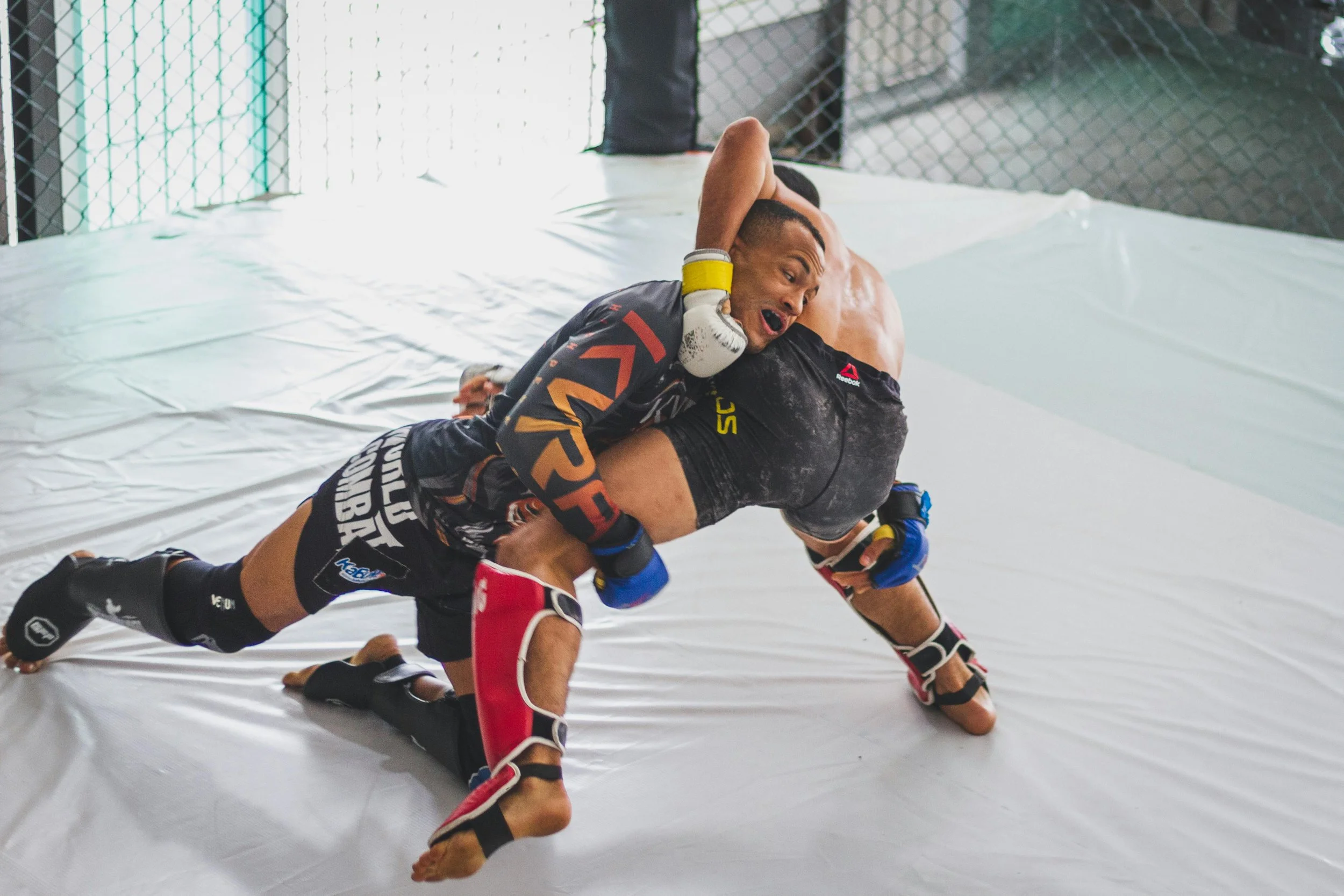
MMA puts load through striking, clinch and the ground, so injuries turn up almost anywhere. These are the ones that come up most for fighters training across all three ranges.
Knee
Ligament and meniscus injuries (ACL, MCL) from takedowns, sprawls and scrambles.

Shoulder
Strains, dislocations and labral tears from clinching, strikes and submissions.
Ankle
Sprains and rolls from kicking, checking and footwork in the cage.
Elbow
Hyperextension from armbars and tendon overuse from striking volume.

Neck
Strains and disc irritation from clinching, takedowns and guillotines.

Rib
Bruising, strains and fractures from body shots and ground-and-pound.
Hip
Flexor and groin strains from level changes, sprawling and kicking.

Finger & Wrist
Jarred wrists and hand sprains from gripping, posting and punch impact.

Concussion
Head knocks from strikes and ground-and-pound, managed with a staged return to contact.
Your Rehab Roadmap
Rehab Built Around MMA
MMA stacks striking, grappling, clinch and wrestling on top of each other, and an injury in one range cuts into the rest. The Combat Ready System works across all of them, taking you from your first assessment through to full-contact training in phases you can measure.
"An injury in one range doesn't have to shut down your whole camp. The goal is to keep you working across the disciplines that aren't affected while we address the ones that are."Tom Yeung, APA Physiotherapist
Assess
Your injury is assessed against the full demands of MMA: striking, grappling, clinch and wrestling. We map which ranges are affected, produce a written rehab plan, and set objective milestones for your return to each.
Rebuild
We identify what you can safely train across each range, what you can drill, lift and roll, so your conditioning stays active while the injury is managed. You stay in the gym.
Return
Criteria-based return to each training modality in sequence. Drilling before sparring. Sparring before full contact. Each range cleared on objective markers, not guesswork.
Perform
Integrated conditioning that addresses the demands across all your ranges. When camp intensity ramps up, your body is prepared to handle it.
Who this is for
Whether you're a hobbyist who trains for fitness and loves pad work, an amateur competitor in fight camp, or a gym regular who just wants to be able to train consistently without injuries stacking up - we work with all levels of MMA athletes.
Frequently Asked Questions
-
MMA physiotherapy accounts for the full range of training demands - striking, grappling, clinch, wrestling, and the conditioning that underlies all of them. We assess how it affects each range and build a rehab plan that maintains your training across disciplines while the injury recovers. You get clear criteria for when you can return to drilling, sparring, and full-contact training.
-
Usually yes, with structured modifications. We map what's safe across each range, what you can drill, lift, and roll, and keep you active in the disciplines that aren't affected. The aim is to hold onto your conditioning while the injured area is managed. You get clear guidelines on what to avoid and what to keep doing.
-
Timeline depends on injury type and severity. Soft tissue injuries like hip flexor strains or wrist sprains can allow modified training within days. Ligament injuries involving the knee or shoulder typically require weeks to months of progressive rehab. At your first assessment you'll get a realistic timeline and a phased return-to-training plan with objective milestones at each stage.
-
No. We work with hobbyists, gym regulars, and competitors at all levels. Whether you train three times a week for fitness and love pad work, or you're building toward an amateur fight, the rehab process is the same, built around your training goals, not an assumed competition timeline.
-
The most common presentations are knee ligament injuries from takedowns and scrambles, shoulder injuries from clinching and submission attempts, ankle sprains from kicking and footwork, neck and disc injuries from guillotines and takedown defence, and rib injuries from body shots and ground and pound. We also manage concussion and return-to-contact protocols.
-
Yes. Online rehab is available for MMA athletes anywhere in Australia. You get an assessment over video, a program built around your training week, a weekly one-to-one session and a written check-in between them. Hands-on assessment and manual treatment need someone in the room, so we go through what suits your injury on the first call.
-
Tom explains what's going on with your injury, what the plan is, and what needs to happen at each stage before you move on. You'll know where you're at, why you're doing what you're doing, and what the criteria are before you push back into full training. If something changes, the plan adjusts. No vague timelines.
In-person and online
Based in Moonee Ponds, with in-clinic appointments through our partner clinic Stride Physiotherapy. Online rehab available for MMA athletes anywhere in Australia.
Rehab across every combat sport
MMA is one of the sports we treat
See how the rehab approach fits together on the combat sports physio hub, or head straight to another sport.