Training BJJ with a shoulder injury: what's safe and what's not
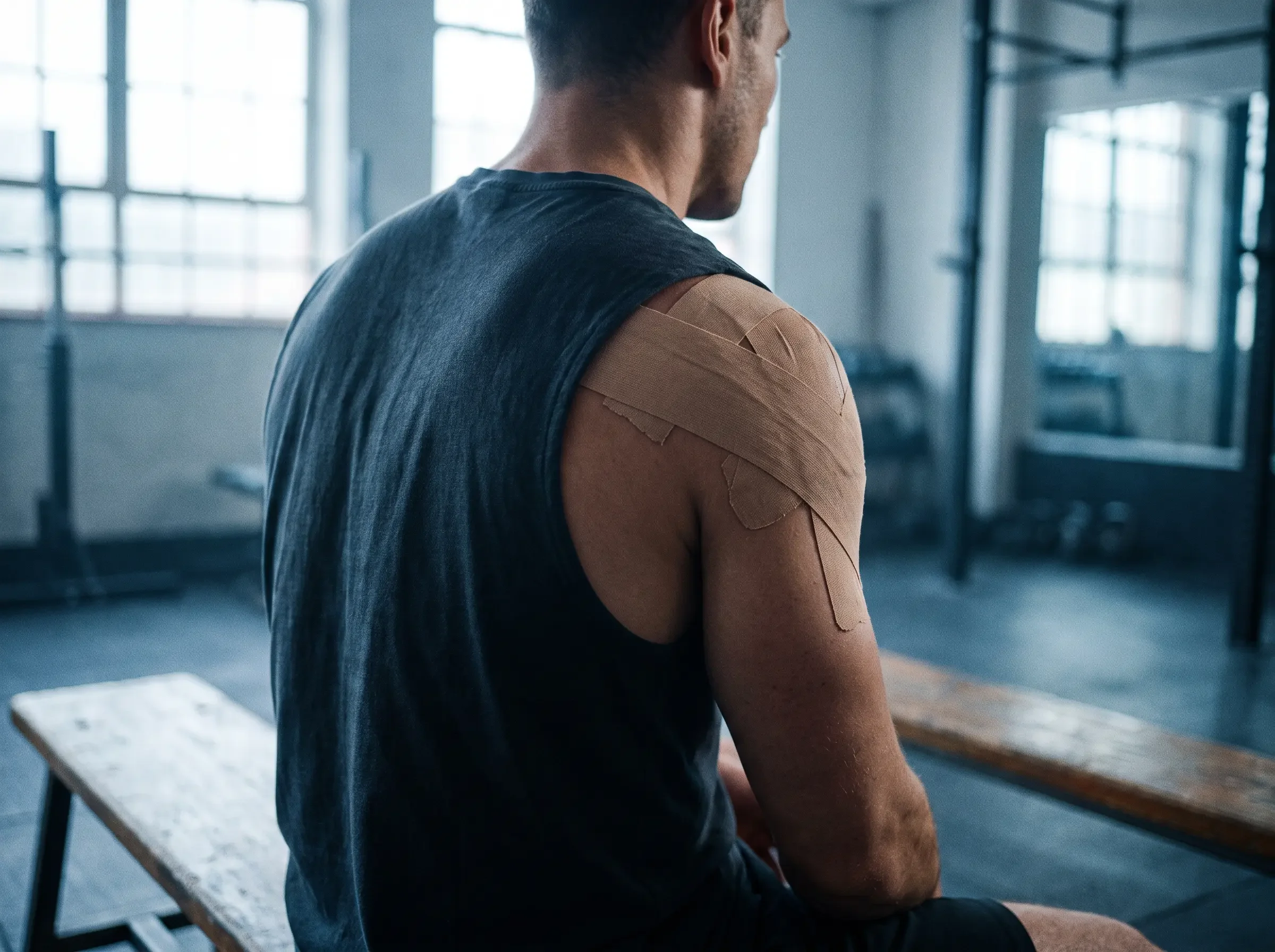
Most shoulder injuries in BJJ don't mean stopping training. They mean knowing which positions load the shoulder and which leave it alone, then building your week around that while it recovers.
The shoulder is unusual that way. A knee injury takes most of your game with it. A shoulder injury often leaves the entire lower body and a large slice of guard work fully available from the first week.
Medical Disclaimer: The information in this blog is intended for general educational purposes only and does not constitute medical advice. It is not a substitute for professional assessment, diagnosis, or treatment by a qualified health practitioner. If you are experiencing pain, have sustained an injury, or are unsure whether it is safe to continue training, seek assessment from a qualified physiotherapist or medical professional.
The shoulder injuries that show up most in BJJ
Dislocations and labral tears. The most significant shoulder presentations in grappling. An acute dislocation needs a genuine protection period, but lower body technique work, guard retention, leg locks and hip escapes can often resume within weeks. Return to positions that load the shoulder comes later and comes in stages.
Rotator cuff strains. Often manageable with load modification fairly quickly. Positions that put the arm overhead or into internal rotation under load, kimura and Americana defence being the obvious ones, get pulled back while the rest of your game continues.
AC joint sprains. Common from falling and posting out. Compression across the top of the joint is the sensitive direction. What stays available is usually more than people expect.
Biceps tendon irritation. Aggravated by resisted elbow flexion under load, so grip fighting and clinch work are the problem. Lower body positions, movement drilling and leg attacks are often completely unaffected.
The positions that load an injured shoulder hardest
In BJJ the shoulder is most exposed in kimura and Americana positions where the arm is rotated under load, in defending shoulder locks, in sprawling and front headlock positions that compress the AC joint, and in posting out to base during takedowns and scrambles.
A BJJ return-to-training plan tests tolerance in those positions directly before clearing you back to open rolling, because they're the ones that will find the shoulder whether you plan for them or not.
How training progresses while the shoulder rebuilds
Progression runs through four phases, and each opens when the shoulder can handle what the previous one asked of it.
The Combat Ready System
Assess
What the shoulder tolerates right now, tested in the positions BJJ puts it in. Overhead reach, rotation under load and grip endurance, then a written plan for the training week.
Rebuild
Rotator cuff and scapular strength built progressively, while lower body drilling, guard work and conditioning keep running in the background.
Return
Grip fighting, clinch and submission defence reintroduced under control, then positional rounds once the shoulder holds load without flaring the next morning.
Perform
Open rolling and competition, with a maintenance program for the rotation and overhead demands that keep finding the shoulder in grappling.
What usually stays available
Lower body drilling, guard retention, sweeps from closed guard, hip escapes and leg lock entries are often available from the first week depending on the injury. Conditioning that doesn't involve the arm continues throughout. Technical work with a compliant partner comes back well before live rounds do.
That list narrows for an acute dislocation and widens quickly for a rotator cuff strain, which is why the plan gets written around the specific injury rather than around the body part.
When to get it assessed
Shoulder pain that hasn't settled inside two weeks, a shoulder that flares every time you go back to rolling, or genuine uncertainty about what's structurally damaged are all worth an assessment. Knowing what you're dealing with takes the guesswork out of what's safe to train.
We see grapplers in-clinic in Moonee Ponds and work with athletes online anywhere in Australia, as part of the wider combat sports physio work across BJJ, MMA, Muay Thai and boxing.
Common questions
I dislocated my shoulder in BJJ, do I need surgery?
Not always. It depends on your age, your training goals, and whether there's significant damage to the labrum or the surrounding stabilisers. First-time dislocations in younger athletes recur at a higher rate, which usually factors into the decision. That conversation belongs with an orthopaedic surgeon once you have imaging.
How long before I can roll after a shoulder dislocation?
Return to live rolling typically takes 3 to 6 months with appropriate rehab. The range is wide because it depends on whether there's underlying structural damage and whether surgery is involved. Lower body drilling usually comes back a long way before that.
Can I tape my shoulder and roll?
Tape gives some proprioceptive feedback and mild support, and it doesn't create stability that isn't there. If the shoulder needs tape to get through a round, it's usually still in a phase where live rolling is early. Tape works as a training modification while the shoulder rebuilds.
Do I need a referral to see a physio for a BJJ injury?
No. Physiotherapists are first-contact practitioners in Australia, so you can book directly without a GP referral. You only need one if you are claiming through a Medicare care plan, DVA, or a workplace scheme.
Related reading
If you're training around a shoulder injury and you're not sure what is safe, book an initial consult. It is a free 15-minute call, no cost and no obligation, to work out whether we are the right fit and what your next step should be.